
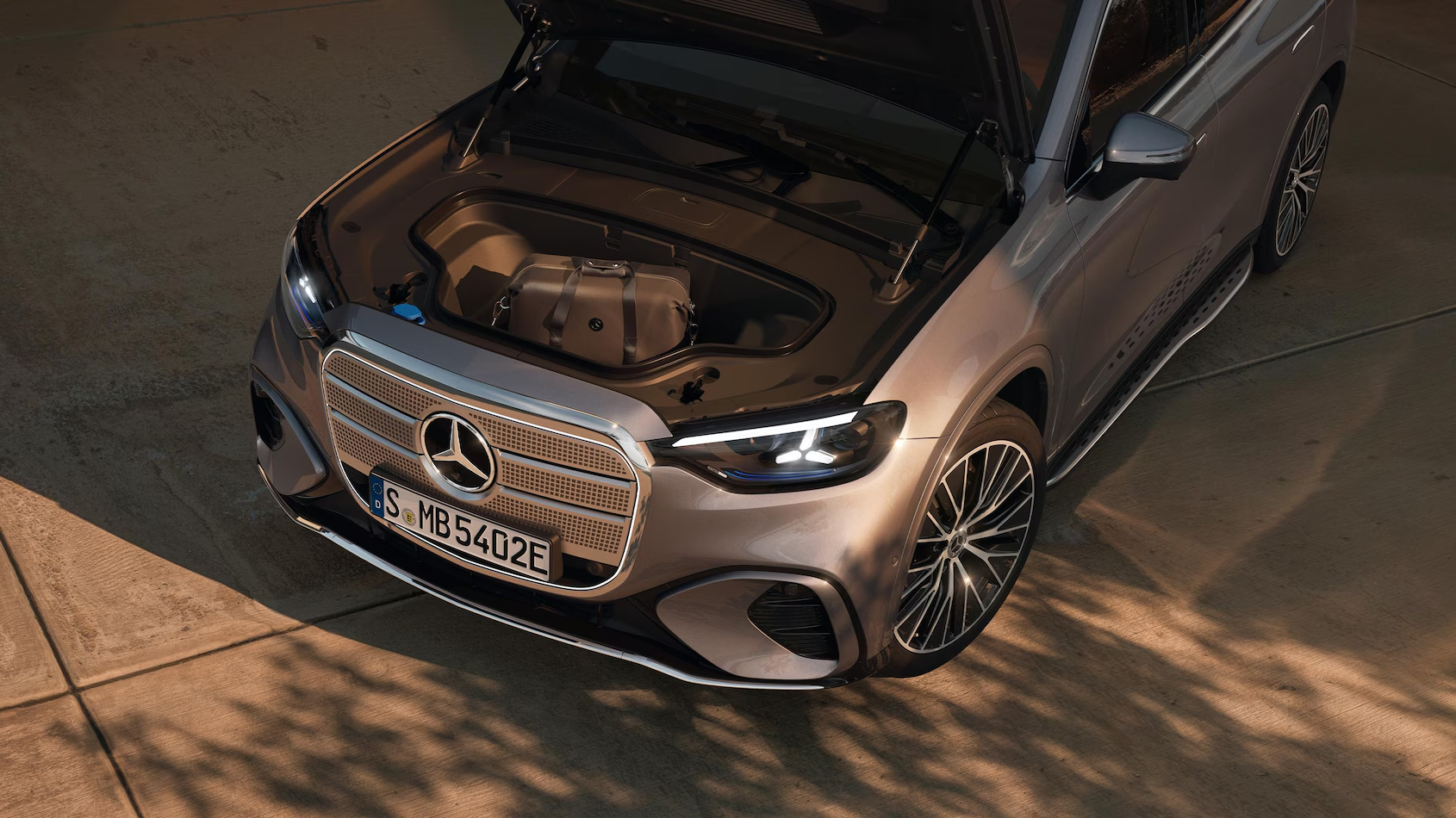
GLC EV model gains Vegan Society certification for interiors using synthetic materials without animal fibres or products
Mercedes-Benz has unveiled the GLC with EQ Technology as the first vegan electric car. This model features interiors certified free of animal products. The company presented it at CES 2026 in Las Vegas.
This development matters because it addresses the growing demand for ethical materials in vehicles. Additionally, the vegan electric car promotes sustainability in the automotive sector. It appeals to consumers who prioritise animal welfare.
Vegan Materials in the Cabin
The vegan electric car uses ARTICO for seat upholstery and steering wheel covers. This material mimics leather but contains no animal fibres. Moreover, textiles cover door trims, pillars and headliners without animal content.
Microfibre fleece replaces suede in soft surfaces. Floor carpets incorporate recycled textiles free of wool. Synthetic polymers serve as binders instead of animal-derived options.
Also Read: Mercedes-Benz Special Trucks Unveils Groundbreaking Luxury Unimog for 80th Milestone
Certification by the Vegan Society
The Vegan Society audited around 100 components for the vegan electric car. They ensured no animal products or testing occurred. Furthermore, the process checked for cross-contamination risks.
This certification marks Mercedes-Benz as the first manufacturer with such approval. Customers can select the Vegan Package option. Availability starts in the US in the second half of 2026.
Implications for Electric Mobility
The vegan electric car integrates with broader shifts towards sustainable transport. It reduces reliance on animal agriculture in manufacturing. Additionally, the model supports the adoption of electric vehicles through ethical features.
Supply chains now focus on plant-based alternatives. This change affects material sourcing globally. However, it maintains quality standards for durability and comfort.
Beyond the Spec Sheet
The vegan electric car allows drivers to choose ethical options without compromising comfort. People gain access to animal-free interiors during daily commutes.
Maintenance costs remain similar to traditional models but appeal to value-driven buyers. Reliability improves as synthetic materials resist wear evenly.
Behaviour changes as fleets adopt vegan electric cars to meet corporate sustainability goals. Goods transport sees quieter cabins with ethical fittings. Access expands in urban areas where charging networks support longer trips.
Movement becomes smoother with lightweight vegan materials aiding efficiency. Infrastructure adapts as demand for recycled-content suppliers increases.


