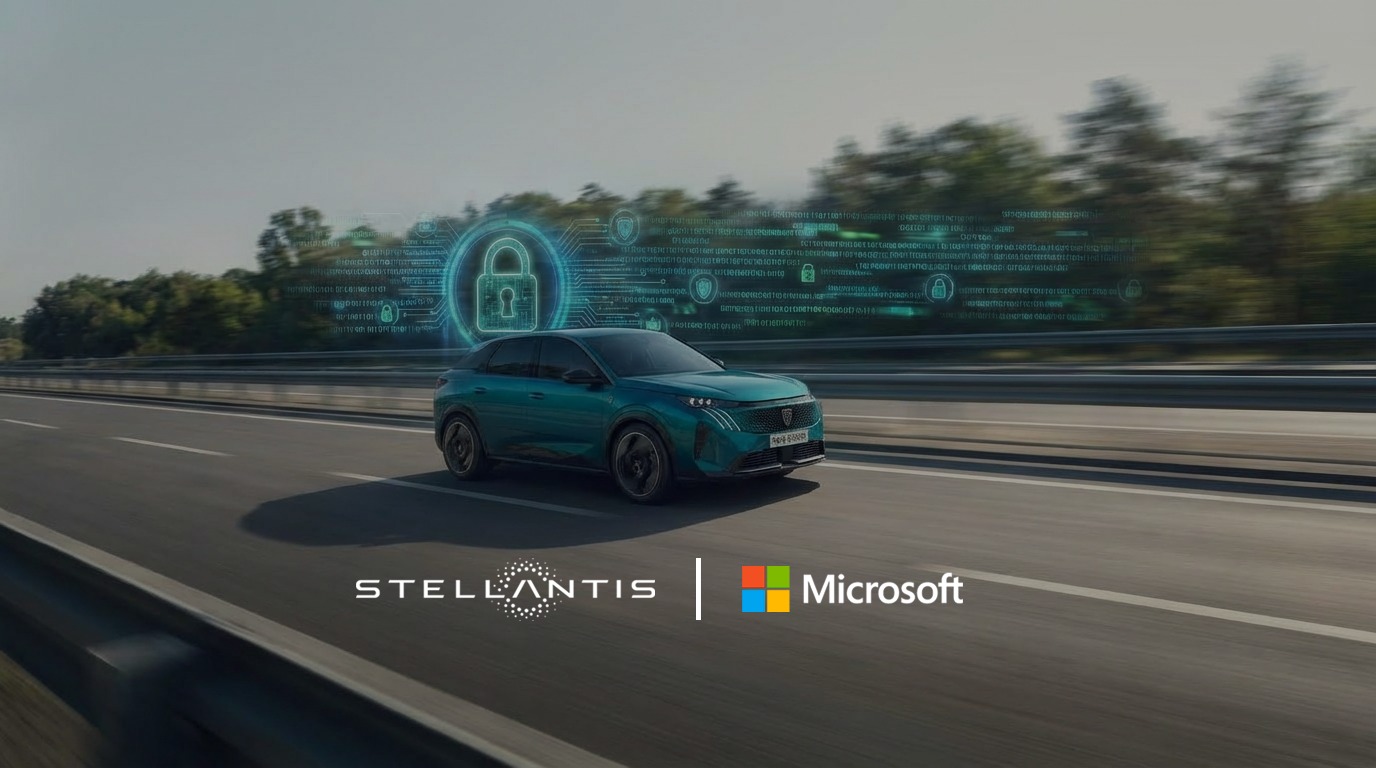
Five-year collaboration focuses on co-developing over 100 AI initiatives to enhance digital features, cybersecurity and customer experiences in Stellantis vehicles
Stellantis and Microsoft announced a five-year strategic collaboration on 16 April 2026. The partnership aims to accelerate digital transformation by co-developing advanced AI capabilities.
This matters because it integrates AI more deeply into vehicle systems and operations. Stellantis AI initiatives aim to deliver real improvements in connected mobility for millions of vehicles across brands like Jeep, Peugeot and Chrysler.
AI Integration in Vehicle Systems
The collaboration builds on existing ties. Joint teams will co-develop more than 100 AI initiatives across product development, customer care and operations. Stellantis AI embeds directly into the digital cabin and core vehicle operating system.
Also Read: NHAI Mulls Deploying AI Dashcam Monitoring on 40,000 Km of National Highways
These efforts support predictive maintenance and intelligent recommendations. Drivers receive proactive vehicle-health insights and energy-efficient driving suggestions.
Cybersecurity and Operational Impact
Stellantis AI strengthens the global cyber defence centre. AI-driven analytics protect connected vehicles, manufacturing sites and digital products. This addresses rising threats in software-defined vehicles.
The partnership also reduces the data centre footprint. Stellantis targets a 60 per cent cut by 2029 through efficient cloud and AI tools from Microsoft.
Beyond the Spec Sheet
Stellantis AI changes daily movement by offering timely maintenance alerts that prevent breakdowns on highways. Drivers gain reliable access to personalised route and efficiency advice during commutes in Indian cities.
Fleet operators experience lower downtime and repair costs thanks to predictive features. This improves the reliability of goods delivery across supply chains. Urban users experience smoother interactions with in-car systems that adapt to traffic and weather conditions.
Behaviour shifts as owners trust connected services more due to stronger cybersecurity. Daily travel becomes predictable with fewer unexpected stops and protected data flows.