
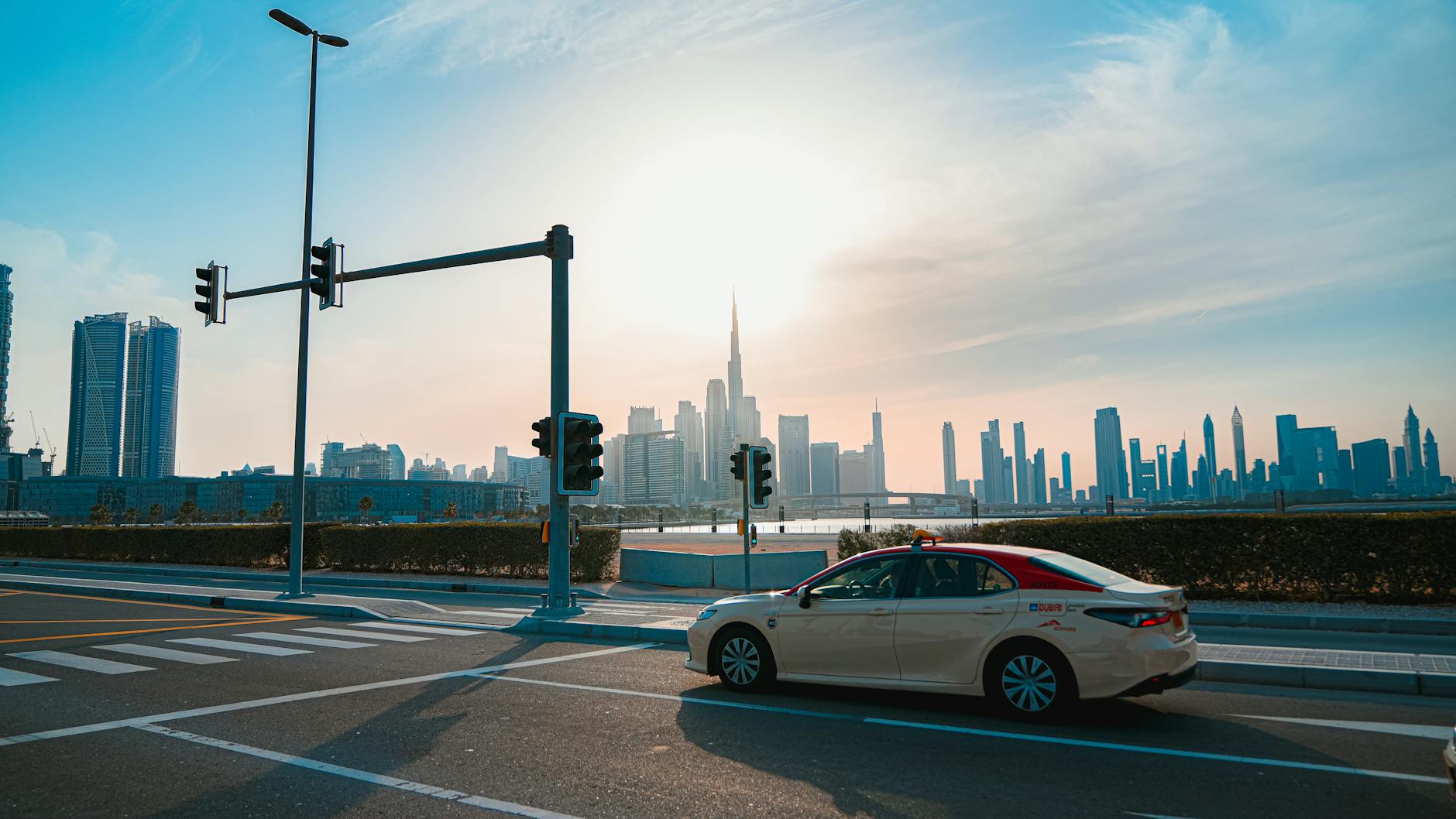
RTA teams up with Baidu Apollo Go to enable 24/7 app-based autonomous rides in Jumeirah and Umm Suqeim zones
Dubai’s Roads and Transport Authority has rolled out Phase 1 of its driverless service. The Dubai RoboTaxis operate fully autonomously at 65 public locations. This launch marks a key advance in the emirate’s smart transport plan.
The move matters now because it tests public acceptance of self-driving vehicles. It aligns with Dubai’s goal to shift 25 percent of trips to autonomous modes by 2030. Moreover, it addresses rising urban demand for reliable, on-demand rides.
Phase 1 Coverage Spans High-Traffic Zones
The initial deployment focuses on two zones. Zone One includes 17 sites in Jumeirah 1, 2, and 3, plus Al Wasl and the Etihad Museum corridor. Zone Two covers 48 locations in Umm Suqeim 1, 2, and 3, along with Al Manara, Al Safa, and coastal areas.
These spots link key landmarks. For instance, they connect La Mer Beach, Mercato Mall, and Jumeirah Mosque. Additionally, the network reaches Coca-Cola Arena, City Walk, and Galleria Mall. This setup forms a 15-kilometre autonomous corridor.
As a result, users can book rides between these points. The service runs 24 hours a day. Furthermore, it integrates with existing public paths for smooth flow.
Also Read: AI Didn’t Just Improve Cars. It Rewired How the Automotive World Actually Works
Baidu Partnership Powers Autonomous Operations
RTA partners with Baidu Apollo Go for the rollout. Baidu manages the fleet from a new control centre at Dubai Science Park. This 2,000-square-metre hub handles monitoring, maintenance, and updates.
The technology relies on Baidu’s autonomous programme. Vehicles navigate without human drivers. Trials earlier used safety operators, but now they run driverless on public roads.
Booking occurs via apps like Uber for initial tests. WeRide and Uber support these public trials. However, full commercial access starts early this year.
This collaboration brings Baidu’s expertise outside China. It also secures RTA’s permit for unrestricted operations. Consequently, the Dubai RoboTaxis scale efficiently across zones.
Integration with Broader Transport Network
The Dubai RoboTaxis link to Dubai’s multi-modal system. They connect with metro stations like Al Jaddaf and bus routes near Dubai Creek Harbour. This enhances last-mile access for commuters.
Public feedback shapes future expansions. Early data shows high engagement in tourist areas. For example, rides to Kite Beach and Box Park draw steady users.
Moreover, the service complies with local safety standards. Real-time tracking ensures quick response to needs. As such, it builds trust in autonomous tech.
Beyond the Spec Sheet
The Dubai RoboTaxis cut wait times for late-night travel in Jumeirah. Tourists gain direct access to beaches without hailing taxis. Local workers save on fares through fixed app rates, lowering daily costs by up to 20 percent.
Reliability rises as vehicles operate in all weather, unlike human-driven options. Families book group rides easily, shifting behaviour towards shared mobility. Delivery firms test integrations for goods, speeding urban logistics.
Access improves for elderly users via simple app interfaces. Highway links to Dubai Festival City enable seamless inter-zone movement. Over time, reduced congestion eases traffic for all road users.


