
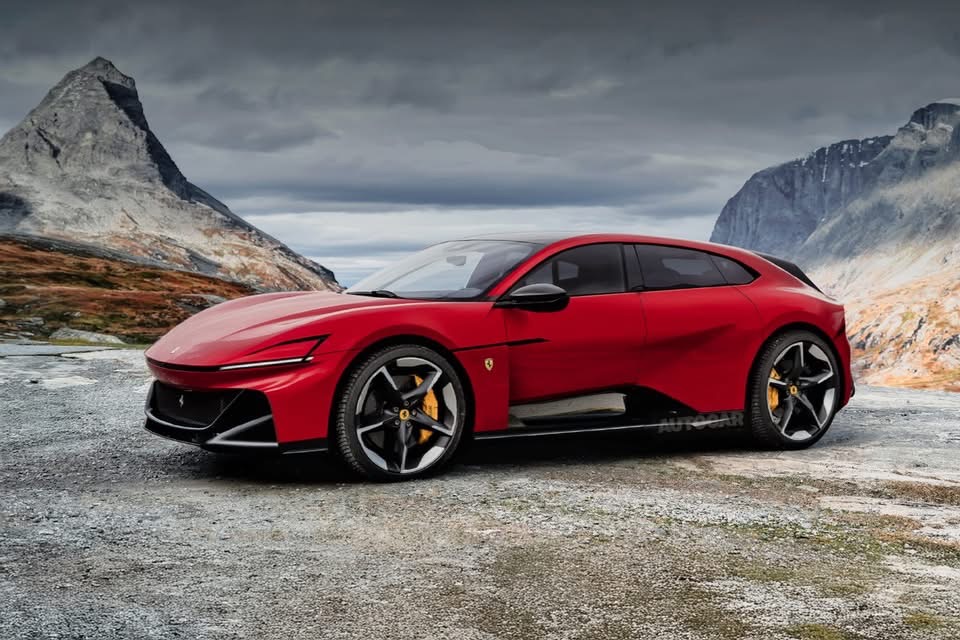
Italian marque works with space agency and medical experts during development of Luce EV to address human comfort with instant electric torque
Ferrari is preparing its first electric vehicle for launch. The company consulted NASA during the development of the Ferrari Luce EV to study the effects of rapid acceleration on passengers.
This step matters because electric motors deliver instant torque, unlike combustion engines. Ferrari sought expert input to balance performance with human comfort in the Ferrari Luce EV.
Human Limits in High Performance
Ferrari CEO Benedetto Vigna revealed the team found linear electric acceleration could disturb the brain. The company worked with NASA and medical centres to identify acceptable levels of force.
Also Read: Ferrari Amalfi Debuts as Roma’s Stylish Successor

The Ferrari Luce EV targets 0-100 km/h in around 2.5 seconds with over 986 hp. Engineers adjusted calibration after studies to prevent discomfort while retaining strong performance.
Implications for Electric Supercars
This approach highlights differences between electric and traditional powertrains in luxury mobility. Instant torque in the Ferrari Luce EV requires new considerations for driver and passenger experience.
The collaboration brings aerospace knowledge into automotive design. It addresses how extreme acceleration affects human physiology in high-end vehicles.
Beyond the Spec Sheet
The Ferrari Luce EV changes the way owners move by offering strong yet controlled acceleration on roads and tracks. Drivers gain reliable access to performance without sudden discomfort during quick overtakes or highway merges.
Ownership costs remain high due to premium positioning, but daily usability improves through refined torque delivery. Behaviour shifts as enthusiasts adapt to electric driving that respects human limits while delivering speed. Reliability increases when systems align with real-world physiological tolerances across varied journeys.


