
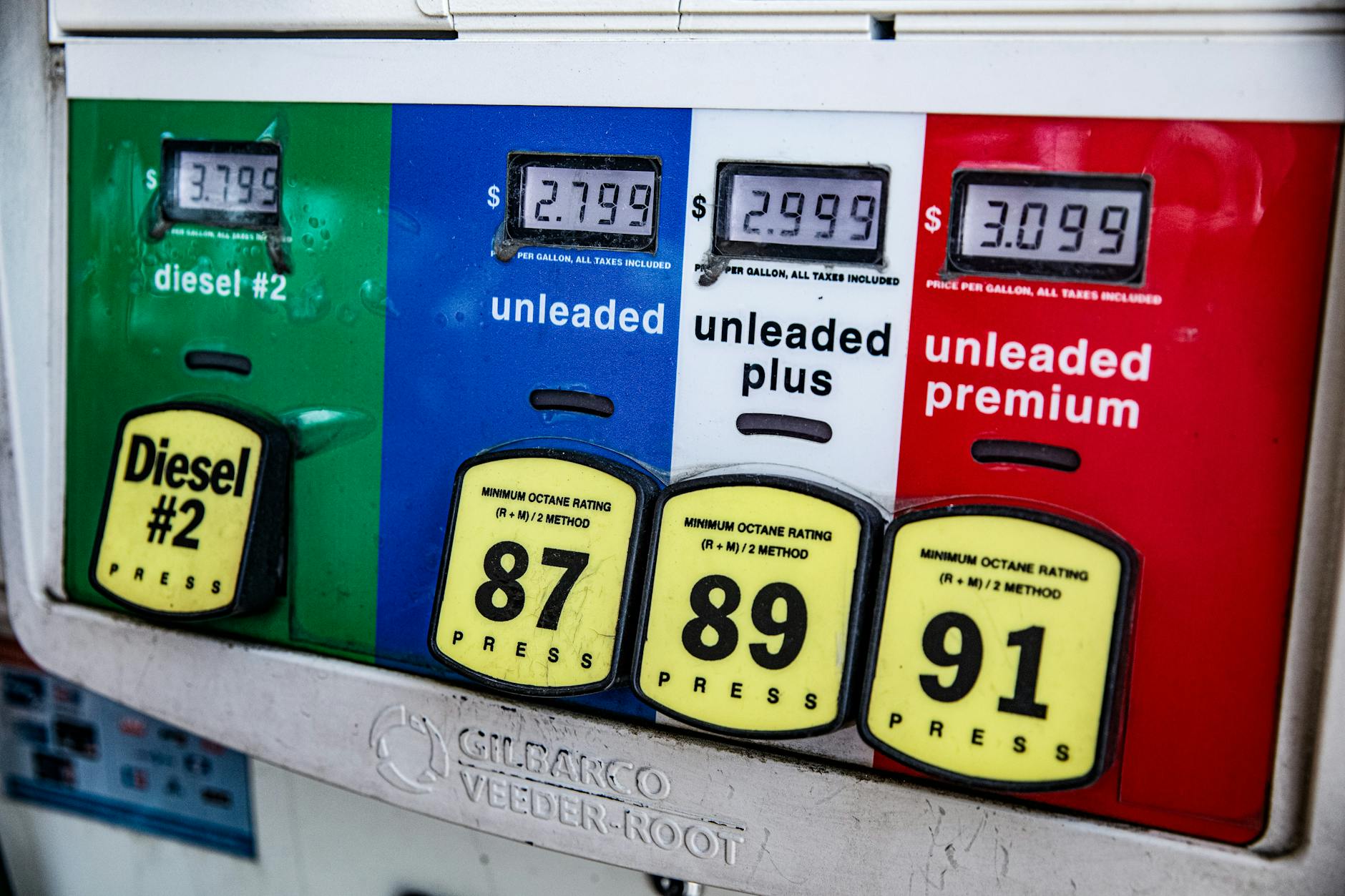
Draft amendments to the Central Motor Vehicles Rules enable E85 and E100 ethanol blends to cut oil imports
The Ministry of Road Transport and Highways issued a draft notification on 28 April 2026 to amend the Central Motor Vehicles Rules. The changes formally include E85 (85% ethanol, 15% petrol) and E100 (near-pure ethanol) in the fuel framework. This follows India’s achievement of nationwide E20 blending from April 2026 and targets reduced dependence on imported crude.
Regulatory Push for Higher Blends
The proposal updates emission tables, fuel classifications, and technical terms to accommodate higher ethanol content. It builds on E20 as the base fuel while positioning E85 and E100 as options for compatible vehicles. Automakers must now prepare flex-fuel vehicles to withstand the corrosive effects of high ethanol levels on seals and hoses. Public comments remain open for 30 days before finalisation.
Also Read: India Mandates E20 Petrol with Minimum RON 95 Nationwide from April 2026
Fuel Compatibility and Fleet Readiness
E85 and E100 demand engine recalibration. Existing vehicles tuned for E10 or E20 face risks of damage and mileage loss.
- E85: 85% ethanol blend requires flex-fuel systems; mileage drops 20-25% versus pure petrol.
- E100: Near-pure ethanol; mileage reduction reaches 27-30% due to lower energy density.
- Comparison: E20 caused a 1-2% drop in mileage in older models; E85/E100 require dedicated hardware, unlike the current fleet.
Tata Motors and Mahindra have showcased flex-fuel prototypes, while Maruti Suzuki is eyeing variants for mass segments.
Beyond the Spec Sheet
Higher ethanol blends lower the cost of ownership for users who access E85 or E100 at discounted rates tied to domestic production. Two-wheelers and entry-level cars, which dominate Indian roads, see the biggest shift in user behaviour, with owners refilling more frequently yet spending less per kilometre on locally produced fuel. This indirectly reduces urban congestion by making personal mobility cheaper than before, even as total fuel consumption rises.
The real-world outcome hinges on infrastructure rollout. Separate storage and dispensers at pumps add capex for oil companies, yet they accelerate ethanol uptake from sugar mills and grain sources. India gains energy security and forex savings, but older vehicles stay restricted to E20. Fleet transition costs fall on manufacturers while users gain choice only after flex-fuel models scale. E85 fuel thus marks a structural pivot: cheaper operating costs for new buyers, greater maintenance vigilance for legacy stock, and sustained pressure on refiners to adapt their distribution networks.


