
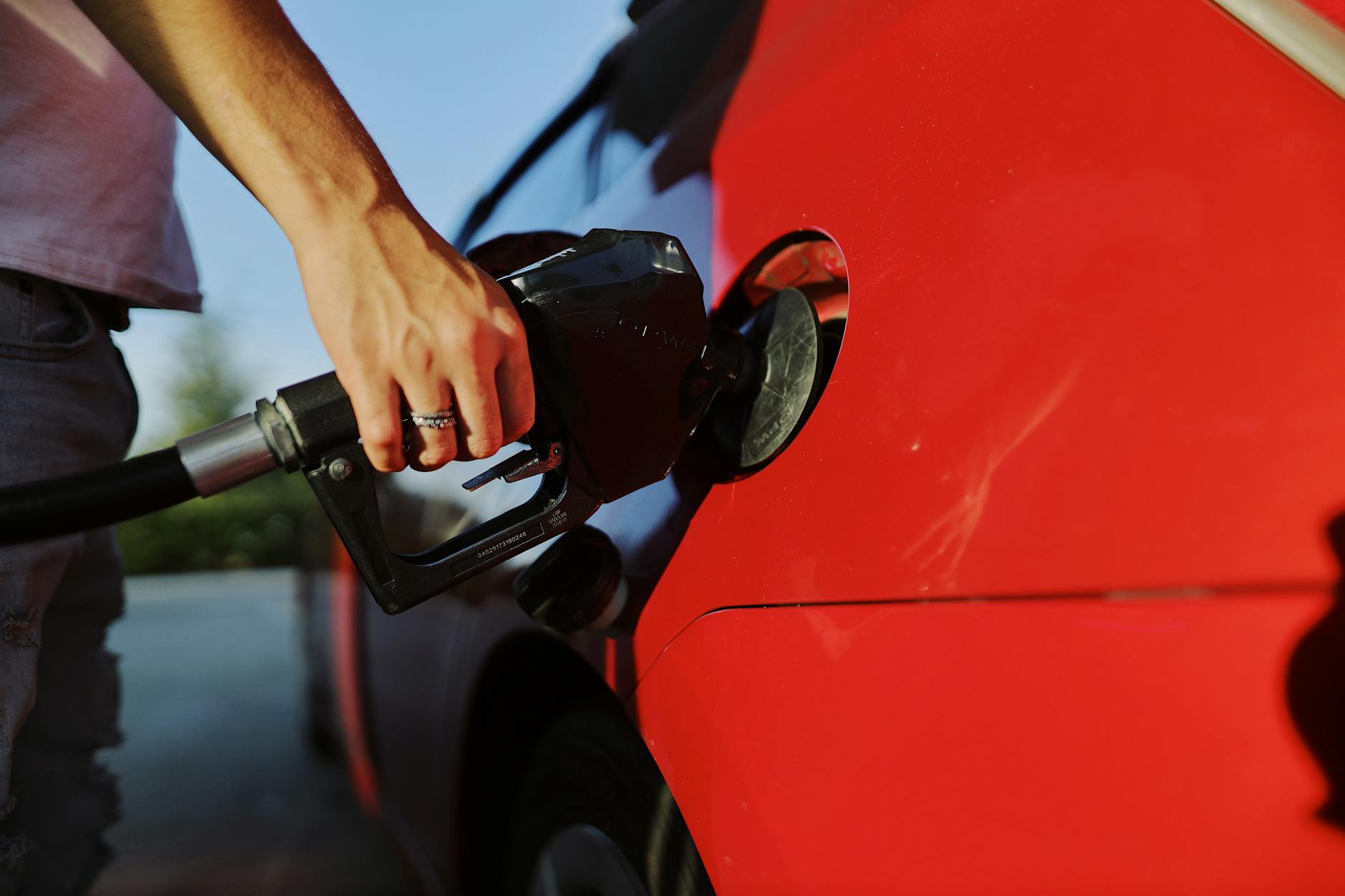
Oil marketing companies continue selling petrol and diesel below cost, with no immediate revision planned despite mounting pressure on margins
Fuel retailers are currently absorbing losses of ₹20 per litre on petrol and ₹100 per litre on diesel, with no immediate price revisions planned, according to the Government. This arrangement underpins the short-term fuel price stability India consumers rely on, even as OMC margins face pressure.
The statement comes amid volatile global crude oil markets and fluctuating exchange rates. Oil Marketing Companies (OMCs) such as Indian Oil, Bharat Petroleum, and Hindustan Petroleum have been instructed to maintain retail prices despite the widening gap between procurement costs and selling prices.
For consumers, this means continued price stability at the pump. However, the arrangement places financial pressure on fuel retailers and OMCs, which could influence long-term supply chain decisions and investment in mobility infrastructure.
Why Fuel Price Stability India Matters
When fuel is sold below cost, the immediate beneficiary is the end consumer. Consequently, household transport budgets remain predictable, and logistics operators can plan routes without sudden cost spikes. However, this stability comes at a price. OMCs must absorb the difference through under-recoveries, which affects their balance sheets and capacity to invest in retail network expansion or cleaner fuel initiatives.
Moreover, fuel retailers operating on thin margins face compounded pressure. Many are small business owners who rely on commission per litre. Therefore, sustained wholesale losses can trickle down to retail viability, particularly in semi-urban and rural outlets where volumes are lower. As a result, some retailers may reduce operating hours or limit services, indirectly affecting last-mile fuel access.
Historically, India has seen similar episodes where OMCs absorbed losses during periods of high crude volatility. In 2022, for instance, retail prices were held steady for months despite global price spikes, resulting in significant under-recoveries. Therefore, the current situation is not unprecedented, but its duration and scale will determine the downstream impact on investment in mobility infrastructure.
Policy Signals and Market Behaviour
The Government’s stance reflects a broader policy calculus. By holding prices steady, authorities aim to cushion inflationary pressures and maintain public sentiment. Nevertheless, this approach can distort market signals. When prices do not reflect true procurement costs, consumption patterns may not adjust to encourage efficiency or fuel switching.
In practice, this means petrol and diesel demand may remain elevated even when global conditions warrant conservation. Consequently, India’s import bill for crude oil remains high, with implications for the rupee’s stability and fiscal planning. Additionally, OMCs may defer capital expenditure on retail infrastructure or alternative energy pilots, potentially slowing the transition to diversified mobility solutions.
Furthermore, the Ministry of Petroleum and Natural Gas (MoPNG) faces a delicate balancing act. On one hand, consumer affordability remains a priority. On the other hand, ensuring OMC financial health is essential for energy security. Therefore, any prolonged period of under-recoveries could prompt a policy review, especially if global crude trends remain uncertain.
Beyond the Spec Sheet
What does this mean for everyday mobility? For commuters, fuel price stability India supports predictable travel costs, which matters for daily budgets and ride-hailing economics. For freight operators, consistent diesel pricing enables reliable logistics planning, keeping goods movement affordable. However, if retail fuel margins remain compressed for extended periods, investment in retail network reliability could suffer. This might manifest as fewer outlets in remote areas, longer queues at peak hours, or slower adoption of digital payment and loyalty systems. In essence, short-term pump pricing consistency trades off against long-term infrastructure resilience. Therefore, monitoring how this policy evolves will be crucial for anyone dependent on road-based mobility, from two-wheeler riders to truck fleet managers.
Looking ahead, the interplay between global crude trends, exchange rates, and domestic policy will shape whether this pricing arrangement remains sustainable. Consequently, stakeholders across the mobility value chain should track OMC financial disclosures and MoPNG communications for early signals of change. After all, fuel price stability India and infrastructure reliability are two sides of the same coin for India’s transport future.


