
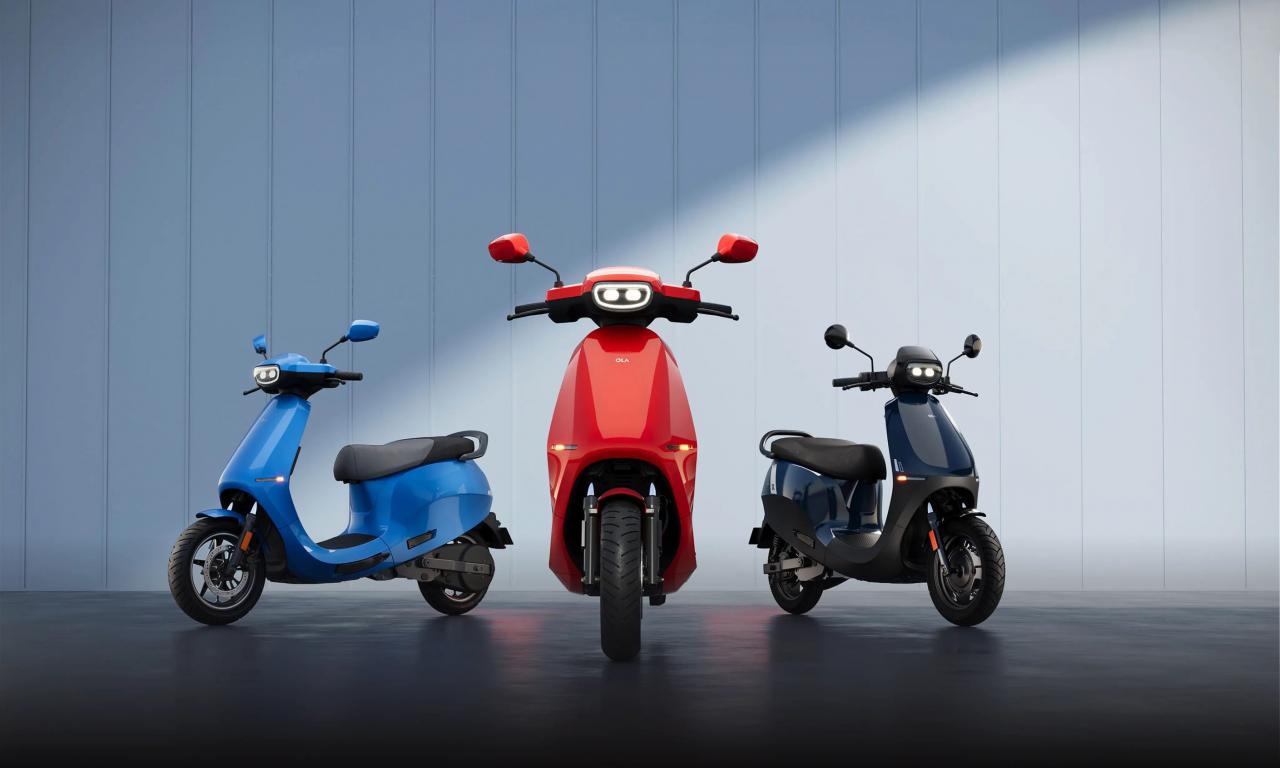
Ola Electric’s ₹367 crore incentive reflects how public policy is influencing scale, pricing, and access in electric mobility
Ola Electric has received ₹367 crore from the Government of India under the Production Linked Incentive scheme for automobiles and auto components. The payout is linked to sales and manufacturing performance over a defined period, rather than a one-time grant. Within the broader mobility landscape, this matters less as a corporate milestone and more as a signal of how electric mobility incentives are being operationalised. Instead of subsidising end users directly, the policy channels public funds into manufacturing scale, localisation, and output-linked performance.
This approach places manufacturers at the centre of India’s electric mobility transition. The incentive is tied to volumes produced and sold, which means the state is effectively backing capacity creation rather than individual vehicle purchases. For two-wheelers, which dominate India’s daily mobility, this is where the bulk of electrification is expected to occur in the near term.
Why incentives are flowing now
Electric mobility incentives are arriving at a point when electric two-wheelers have moved beyond pilot adoption. Charging access has expanded unevenly but meaningfully across urban India. Battery costs have moderated compared to earlier peaks, though they remain sensitive to global supply chains. At the same time, demand has stabilised after a phase of rapid experimentation by consumers.
Policy design has shifted accordingly. Earlier schemes focused on demand-side subsidies to lower upfront prices. The current emphasis is on manufacturing depth, domestic value addition, and production consistency. The incentive received by Ola Electric reflects this pivot. It aligns with a policy view that long-term mobility outcomes depend on whether electric vehicles can be produced at scale, with predictable quality and pricing, rather than on sporadic consumer discounts.
This timing also reflects fiscal reality. Broad-based purchase subsidies are expensive and hard to sustain. Output-linked electric mobility incentives allow the state to support electrification while keeping spending tied to measurable outcomes.
Who is affected on the ground
The immediate recipient is a manufacturer, but the effects extend further into the mobility system. For consumers, electric mobility incentives linked to production can influence vehicle pricing stability over time, even if they do not show up as explicit discounts. Larger manufacturing runs reduce per-unit costs and improve spare part availability, which affects ownership experience.
For delivery riders, gig workers, and fleet operators, scale matters more than branding. Reliable supply of vehicles, predictable service intervals, and consistent battery performance influence whether electric two-wheelers can replace petrol models for daily use. Electric mobility incentives that strengthen manufacturing capacity indirectly shape these outcomes.
There are also implications for employment and supplier ecosystems. Localised production increases demand for components, logistics, and assembly labour. While exact employment numbers tied to this incentive are not publicly detailed, the design of electric mobility incentives suggests an intent to spread economic activity beyond final vehicle assembly.
Also Read: Ola Electric Launches Same-Day Hyperdelivery for 4680 Bharat Cell Scooters
Beyond the Spec Sheet
Electric mobility incentives like this one show up in ways that are easy to miss if the focus stays on vehicles alone. On city roads, they influence how quickly electric scooters become a routine sight rather than a novelty. In fleets, they affect whether operators can standardise on electric models without worrying about supply gaps or inconsistent servicing.
Infrastructure planning is also shaped indirectly. As manufacturing volumes grow, charging demand becomes more predictable, allowing utilities and local bodies to plan capacity with greater confidence. Behaviour shifts follow. Riders who see electric vehicles as reliable tools rather than experimental products adjust travel habits, maintenance expectations, and even route planning.
What this development illustrates is that electric mobility incentives are no longer just about accelerating adoption. They are increasingly about stabilising the systems that support everyday movement of people and goods. The lived outcome is not a new feature or faster acceleration, but a quieter change. Electric mobility begins to function as ordinary mobility.


