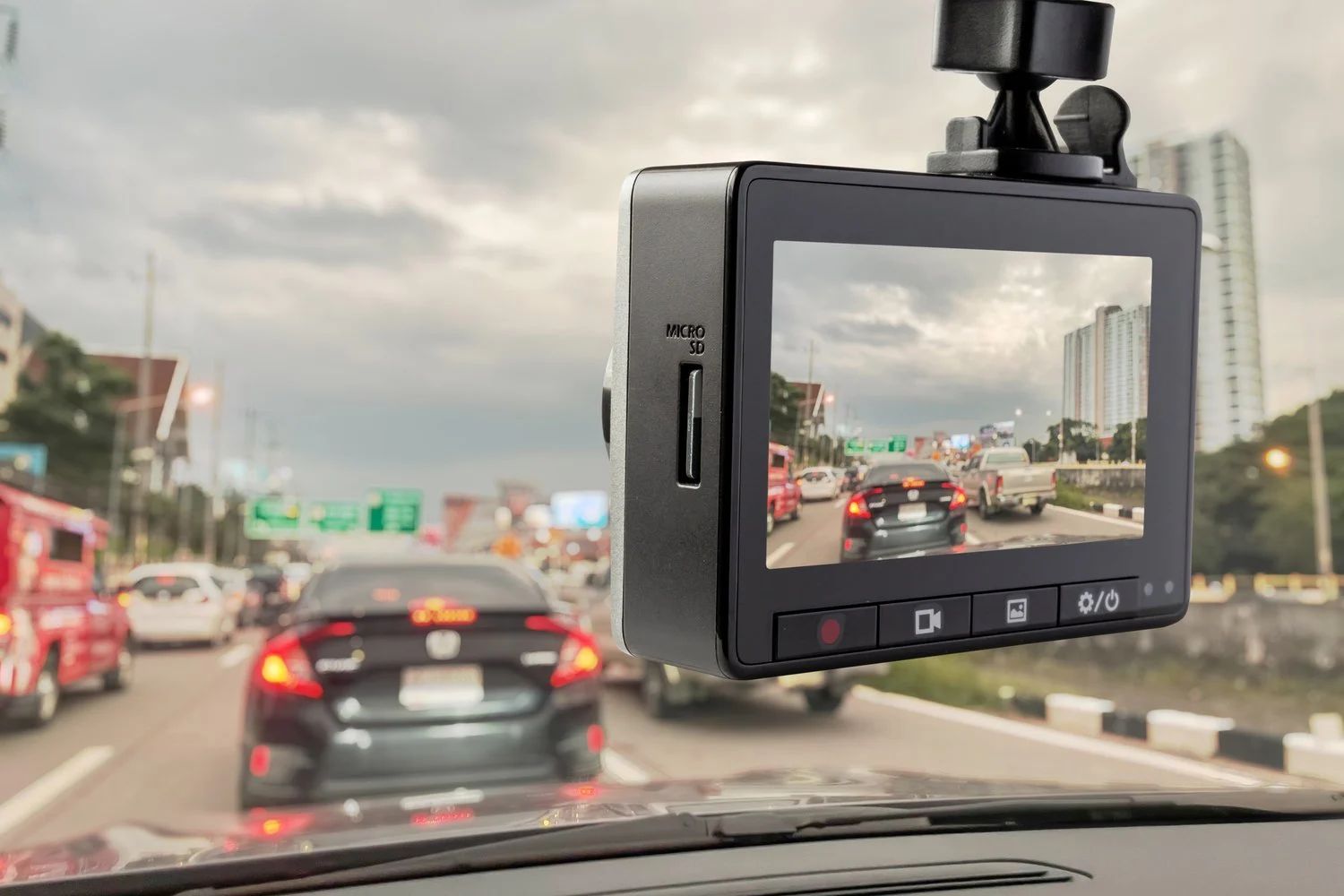
AI-powered system on patrol vehicles detects road defects in real time to enable faster maintenance and safer travel
The National Highways Authority of India (NHAI) plans to deploy AI dashcam monitoring across approximately 40,000 km of national highways. This initiative uses Dashcam Analytics Services (DAS) on route patrol vehicles.
The move matters now because it shifts highway maintenance from periodic manual checks to continuous, data-driven oversight. It addresses common issues such as potholes and poor visibility that affect daily travel and safety.
How the AI Dashcam Monitoring System Works
High-resolution dashcams are installed on route patrol vehicles (RPVs). These vehicles conduct weekly surveys on assigned stretches of highway. The cameras capture video footage and images during day and night patrols.
AI and machine learning models analyse the data. They automatically detect over 30 types of defects. These include potholes, cracks, rutting, faded lane markings, damaged crash barriers, and non-functional streetlights. The system also identifies encroachments, water stagnation, missing drainage covers, vegetation growth, and bus bay conditions.
Night surveys focus on road signs, lighting, and visibility elements. All findings feed into a centralised platform with AI-driven dashboards. This setup supports real-time monitoring and quick response from maintenance teams.
Also Read: NHAI Introduces Annual Toll Pass for Seamless Travel Across India for Rs 3000
Implications for Highway Infrastructure and Operations
The AI dashcam monitoring covers highways under operation and maintenance contracts. It strengthens data accuracy in condition assessments. Manual surveys often miss defects due to human limitations or weather factors.
With automated detection, NHAI gains consistent records across large networks. This improves prioritisation of repairs. Faster identification reduces the time defects remain unaddressed. It supports better allocation of resources for preventive maintenance.
The system enhances overall highway management. It provides objective evidence for evaluating contractor performance. Data from AI dashcam monitoring builds a reliable history of road conditions over time.
Beyond the Spec Sheet
Drivers experience fewer sudden encounters with potholes during long-distance movement. This raises the reliability of highway travel for people and commercial vehicles.
Freight operators face lower vehicle damage and reduced breakdown risks on monitored stretches. Goods movement becomes more predictable with fewer unplanned stops for repairs.
Daily commuters gain safer access through better-maintained lane markings and barriers. Night travel improves with timely fixes to lighting and signage issues.
Road users adjust their behaviour to higher speeds when surface quality remains consistent. Maintenance teams respond more quickly to reported defects, which lowers the likelihood of accidents caused by poor infrastructure. Frequent patrols build user confidence in highway conditions across regions.