
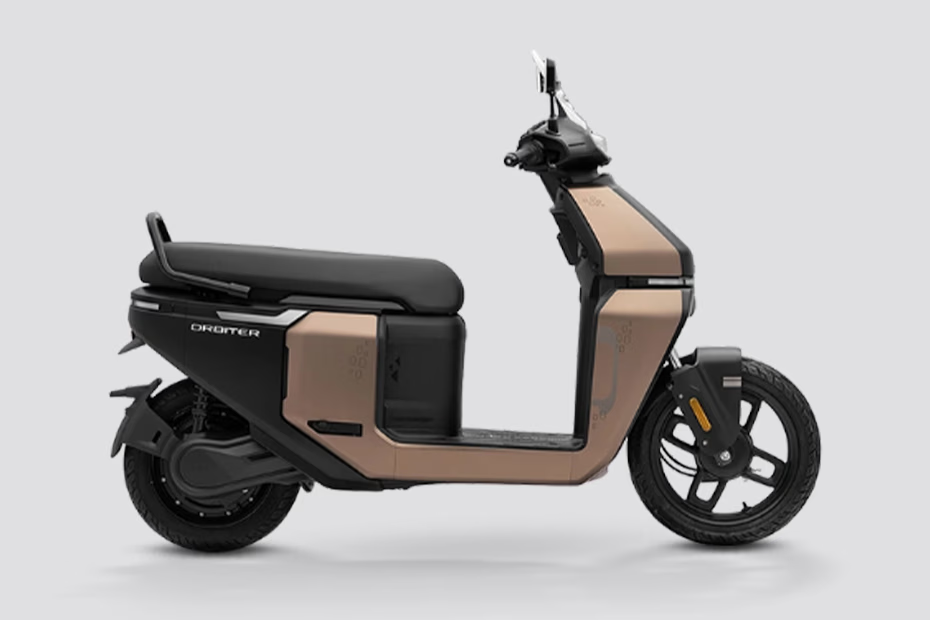
ew variant priced from ₹49,999 under Battery-as-a-Service model expands affordable electric two-wheeler options in urban India
TVS Motor Company has launched the TVS Orbiter V1 electric scooter. This new variant joins the existing Orbiter lineup and introduces Battery-as-a-Service across TVS electric scooters.
The launch matters now as it lowers the entry price for electric two-wheelers. The TVS Orbiter V1 starts at ₹49,999 ex-showroom Delhi under BaaS, inclusive of PM e-Drive incentives. Without BaaS, the price stands at ₹84,500 ex-showroom Delhi.
Battery and Performance Details
The TVS Orbiter V1 uses a 1.8 kWh battery pack. It delivers a certified IDC range of 86 km on a single charge. Charging from 0 to 80 per cent takes around 2 hours and 20 minutes.
The scooter includes two ride modes, Eco and Power. It features regenerative braking, hill-hold assist, cruise control, and parking assist. An LCD console provides turn-by-turn navigation, OTA updates, and safety alerts.
Also Read: Hyundai-TVS Duo Gears Up to Shake Bajaj’s Grip on India’s E-Rickshaw Realm
Affordability Through BaaS Model
Battery-as-a-Service separates vehicle cost from battery cost. Customers pay a lower upfront amount and subscribe to battery usage. This model now applies across TVS electric scooters.
The TVS Orbiter V1 becomes the most accessible option in the lineup. The existing Orbiter, now called V2, uses a 3.1 kWh battery for a 158 km IDC range.
In urban mobility systems, the TVS Orbiter V1 is well-suited to short daily commutes. It fits well in dense cities with limited parking and charging points.
Beyond the Spec Sheet
Daily commuters cover short distances without range anxiety in city traffic. Lower upfront costs improve access for first-time electric vehicle users. Reduced running costs from electricity, and lower monthly transport expenses over time.

Reliable features like hill-hold assist ease movement on inclines during peak hours. Quiet operation changes behaviour in residential areas, reducing noise during early mornings or late evenings.
Urban goods delivery sees potential in short-haul trips with quick charging. Consistent performance builds trust in electric options for regular movement.


