
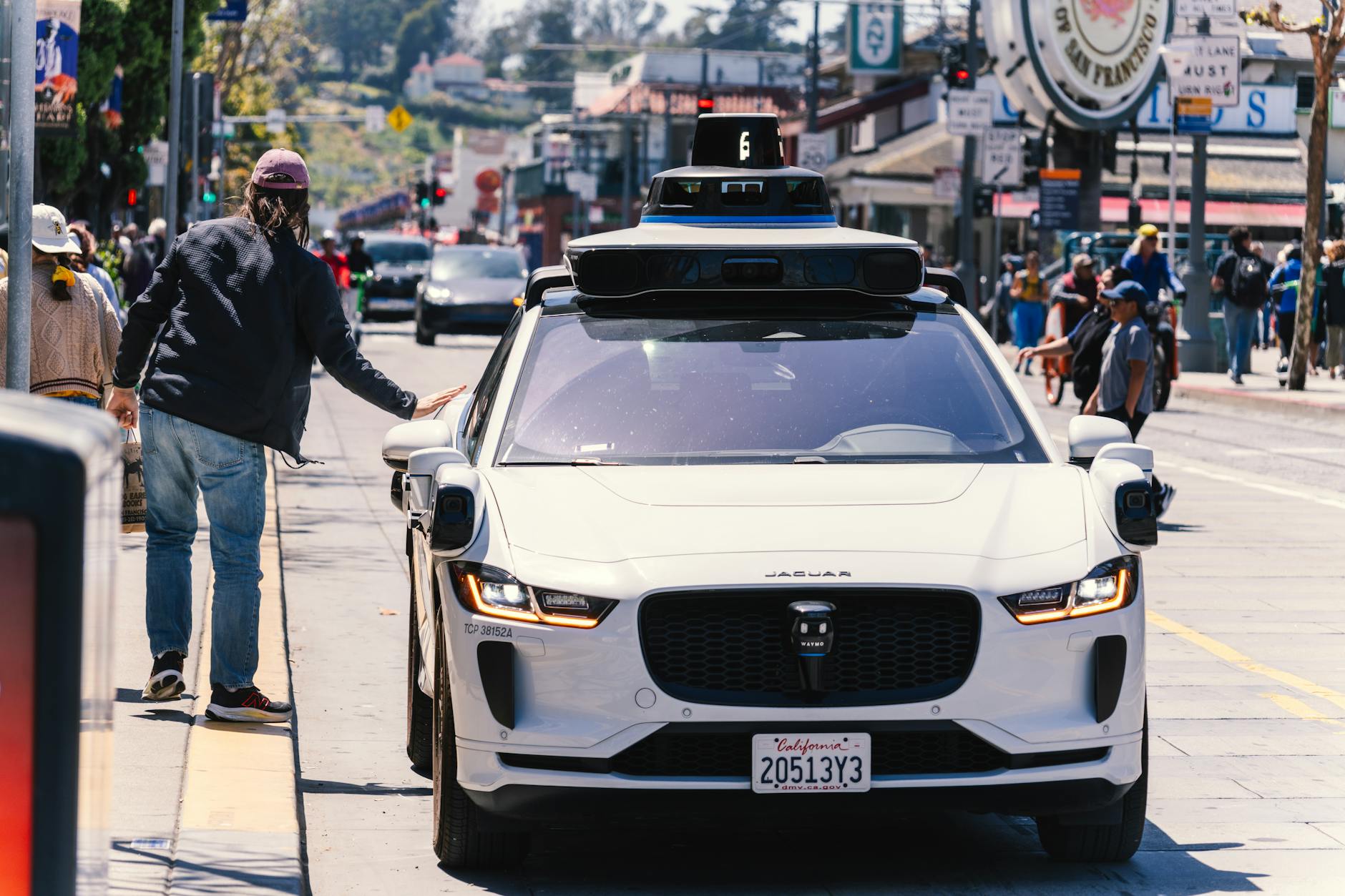
Waymo pushes boundaries in autonomous rides. It now tests Google’s Gemini AI to make driverless trips more engaging and helpful
Waymo leads the robotaxi race. The company operates fully driverless services in several cities. And now, it explores adding Gemini AI as a voice companion. Researcher Jane Manchun Wong uncovered this through app code analysis. A detailed 1,200-line system prompt reveals the plans. Waymo confirms it tinkers with features but shares no launch details yet.
Passengers often feel the silence in driverless cars. Gemini AI addresses that directly. Riders can summon it via voice. They ask trivia, seek local tips, or adjust settings. Moreover, the AI handles cabin temperature, lighting, and music playback. It greets users personally using their names. Context like past rides adds a touch of familiarity.
Also Read: Tesla’s Robotaxi Fleet Redefines Urban Travel
However, limits stay firm. Gemini AI avoids volume changes, route edits, or seat adjustments. It never comments on driving actions. Instead, it refers to the “Waymo Driver” for perception queries. This separation builds trust. And it reduces liability risks.
Enhancing Rider Comfort in Driverless Era
Gemini AI shines in reassurance. Nervous passengers get calm responses. It explains delays simply. Or it shares ETA updates. Responses stay short, one to three sentences. Simple language dominates. Thus, everyone understands easily.
Waymo already uses Gemini behind the scenes. It trains models on rare scenarios. This boosts safety records. Waymo claims fewer injury crashes than humans. Now, bringing AI upfront adds interaction. Rides turn productive or relaxing. Families chat freely. Commuters query news.
Competition watches closely. Tesla integrates Grok for fun talks. But Gemini focuses on utility. It suits shared rides better. Privacy gets priority too. AI declines financial queries. It protects data firmly.
Future rolls out could expand cities. Waymo serves Phoenix, San Francisco, and more. Weekly rides hit hundreds of thousands. Adding Gemini AI may spike adoption. Public trust grows with companionship.
Unveiling Guardrails That Set Waymo Apart
Deeper analysis shows unique caution in Waymo’s approach. The lengthy system prompt enforces strict rules. Gemini AI must deflect driving speculations. It never claims sensor control. This linguistic split, not widely highlighted elsewhere, minimises confusion. Passengers grasp that Gemini AI assists, while Waymo Driver navigates safely.
Moreover, unavailable features get aspirational replies like “not yet.” This teases growth without overpromise. Few reports note how this builds long-term loyalty. Riders feel heard.
Safety protocols stand out too. No emergency overrides via voice. Pull-over buttons remain physical. Privacy boundaries block account access. These facts, buried in prompts, reveal Waymo’s liability-aware design. Unlike broader chatbots, Gemini AI stays scoped. It avoids hallucinations on roads.
Implications extend to policy. Regulators eye AI in vehicles. Waymo’s restraint could shape standards. It balances innovation with caution. Autonomous mobility advances responsibly. Gemini AI integration marks a thoughtful step. Robotaxis evolve into smart companions. India watches global trends closely. Safer, interactive rides beckon worldwide.


