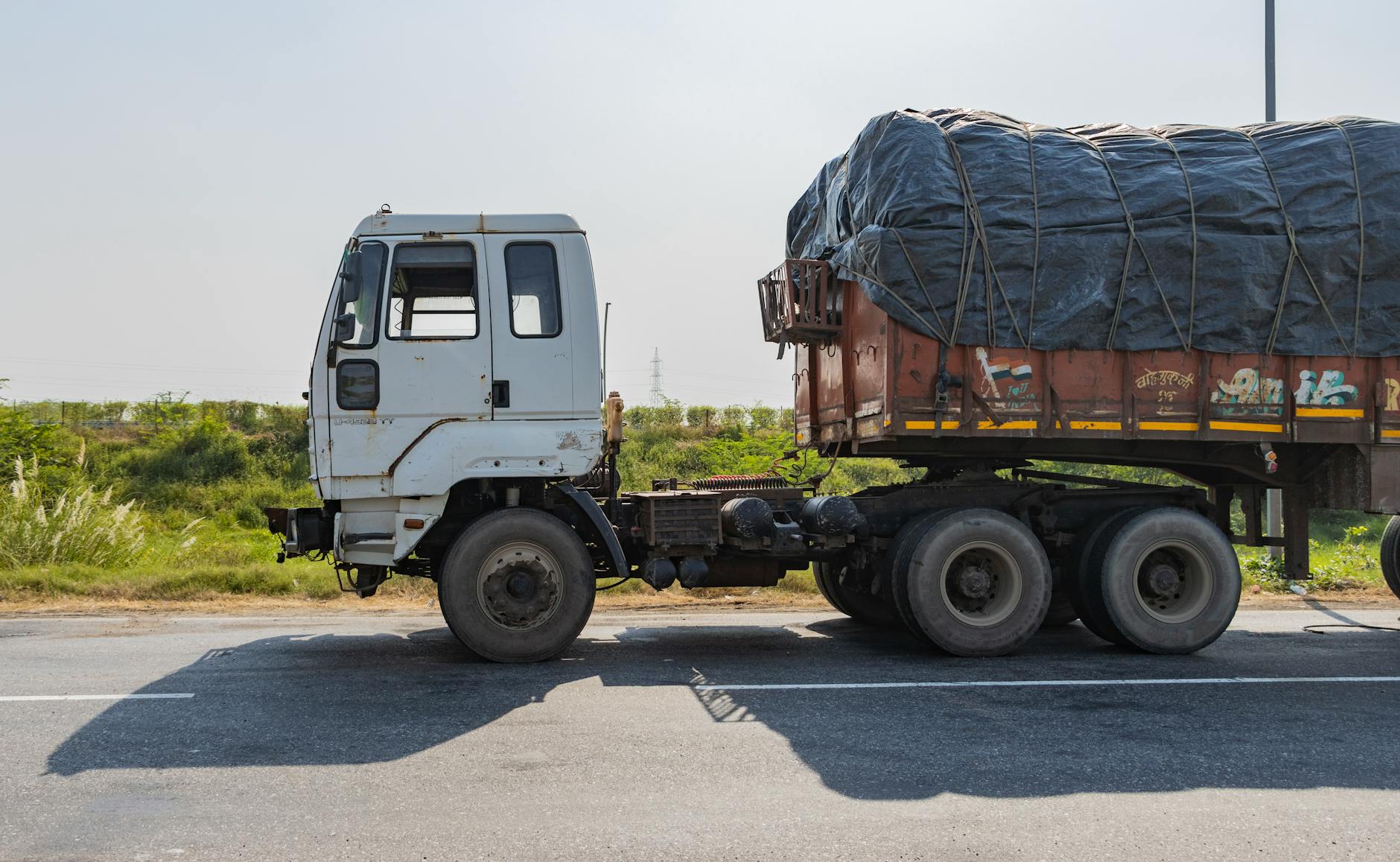
From 1 November 2026, only BS6-compliant, CNG, LNG or electric goods vehicles registered outside Delhi can enter the capital to reduce transport emissions
The Delhi government has announced that only BS6 goods vehicles, or those running on CNG, LNG, or electricity, will be allowed to enter the city from 1 November 2026. This applies to light, medium and heavy goods vehicles registered outside Delhi.
The restriction aims to cut emissions from older diesel trucks during the high pollution season. Delhi-registered vehicles face no immediate change, while BS4 goods vehicles registered in the city remain allowed until October 2027 as a transition.
Impact on Freight Movement
The rule changes how goods reach markets in Delhi. Transporters must now use BS6 goods vehicles or cleaner alternatives for entry. Older non-compliant trucks from neighbouring states face barriers at borders.
This affects supply chains for essential items such as food, construction materials and consumer goods. Enforcement will use cameras and checks at entry points.
Also Read: Supreme Court Lifts Veil on BS3 Vehicles: Delhi-NCR’s Bold Step Against Smog
Cleaner Standards in Urban Mobility
BS6 norms produce significantly lower particulate matter and nitrogen oxides than earlier standards. The policy promotes vehicles with advanced emission controls or alternative fuels.
It aligns with national efforts to improve air quality in the National Capital Region. Infrastructure for CNG refilling and electric charging is increasingly important for compliant operations.
Beyond the Spec Sheet
BS6 goods vehicles enable more reliable freight movement with reduced emissions on city roads. Access to Delhi markets becomes limited for operators without upgraded fleets, potentially raising logistics costs.
Daily delivery schedules for goods change as transporters plan routes around compliant vehicles only. Behaviour shifts toward fleet modernisation among operators serving the capital. Reliability of supply improves over time as pollution-related disruptions in urban transport systems decrease.