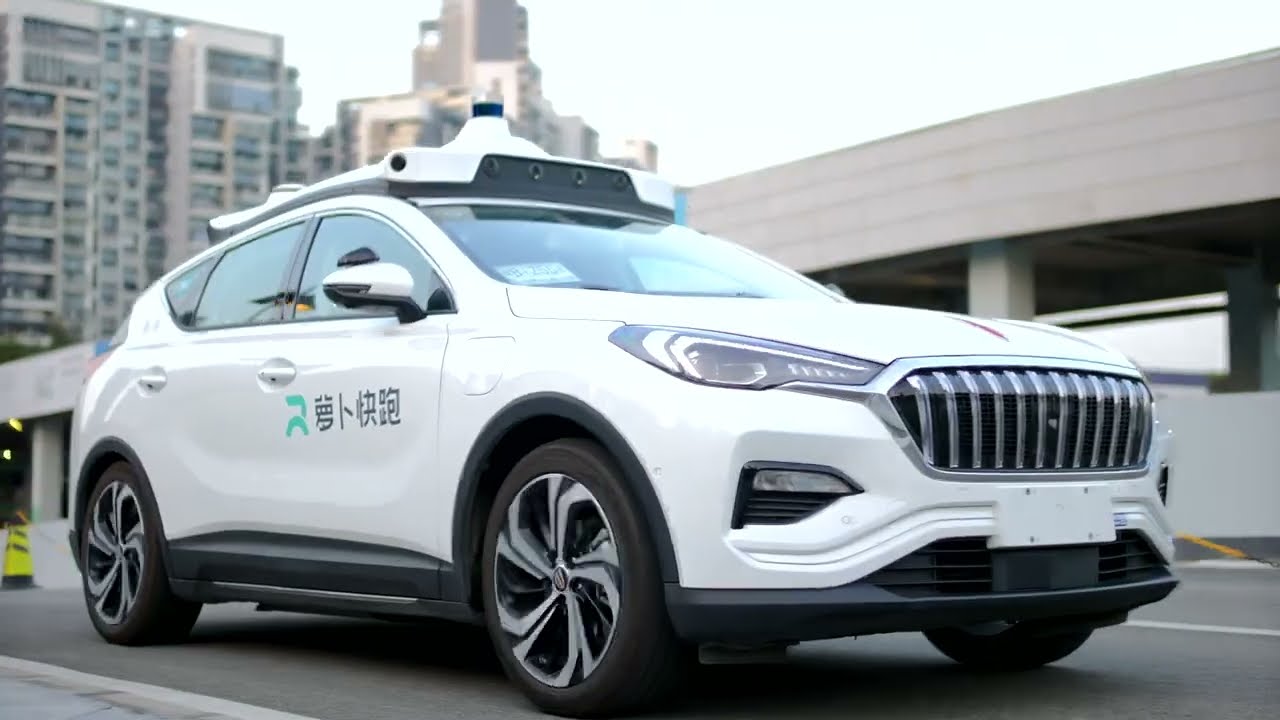
Over 100 Apollo Go vehicles stopped suddenly in the middle of roads, stranding passengers and disrupting movement in the Chinese city
Baidu robotaxis experienced a major malfunction in Wuhan on Tuesday. More than 100 Apollo Go vehicles stopped suddenly in the middle of busy roads and highways. Passengers remained trapped inside for up to 90 minutes while traffic built up around them.
This event matters because it shows the risk of large-scale failure in deployed autonomous fleets. Wuhan police received multiple reports and confirmed a system fault as the cause.
Impact on Urban Traffic Flow
The sudden halt of Baidu robotaxis created immediate congestion on main roads. Vehicles froze without pulling over safely. Some blocked middle lanes on elevated highways. Local authorities responded to calls from affected passengers.
Also Read: Dubai Deploys Driverless RoboTaxis at 65 Strategic Sites for Seamless Urban Travel
Challenges in Driverless Technology Deployment
Baidu operates hundreds of robotaxis in Wuhan through its Apollo Go service. The fleet runs without onboard drivers in selected areas. A single system issue affected a large number at once. This raises questions about redundancy and fallback mechanisms in real traffic conditions.
The incident occurred during evening hours when roads carried normal traffic volume. Passengers reported repeated stops before a complete freeze in some cases. Police noted the problem as a common technical issue with the service.
Beyond the Spec Sheet
The freeze of Baidu robotaxis affects daily movement for riders who depend on the service for point-to-point travel. Passengers face a sudden loss of mobility and remain stuck until external help arrives. Access to reliable transport drops when fleets experience simultaneous faults.
In goods movement, similar autonomous systems could halt deliveries and block delivery routes. Reliability becomes critical for users who plan journeys around fixed schedules. Behaviour changes, with riders hesitating to choose driverless options after such events. The cost of service may rise if operators add more safety layers and human oversight.