Prototype testing begins across Indian roads ahead of 2027 launch and local production at Tapukara plant
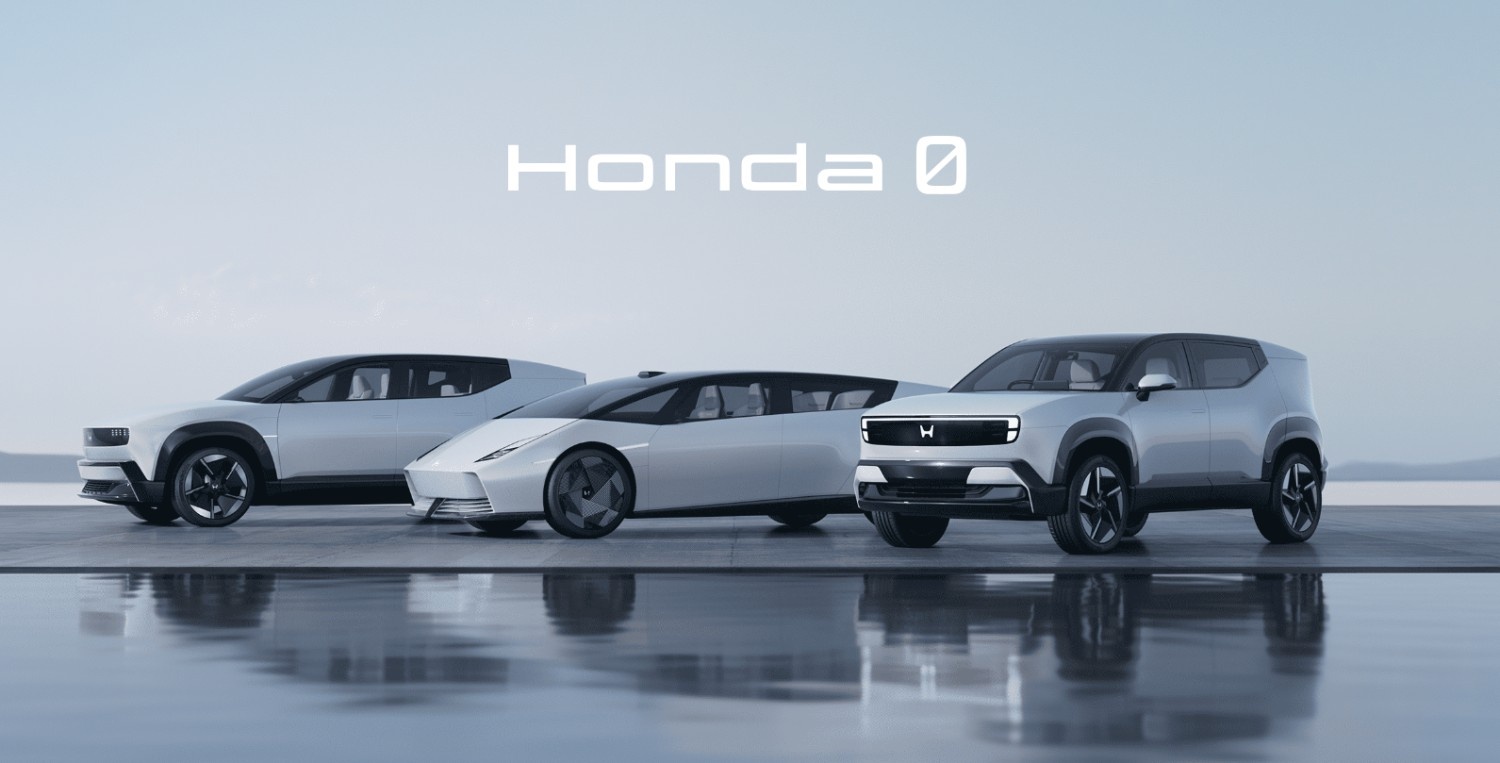
Honda Cars India has flagged off pan-India public road testing of the Honda 0 Alpha SUV prototype. This marks the start of real-world verification for the company’s first dedicated electric SUV in the market.
The testing covers highways, city roads, and varied terrains to assess performance under Indian conditions. It evaluates durability, ride comfort, handling, efficiency, and charging behaviour in heat, monsoon, and dust. The development matters as Honda enters the growing electric passenger vehicle segment with a locally made model.
Testing Focus and Validation
The Honda 0 Alpha SUV prototype, first shown at the Japan Mobility Show 2025, is undergoing checks for the Indian climate and road conditions. Engineers collect data on battery efficiency, thermal management, and suspension behaviour across regions. This ensures the production version meets local expectations for reliability.
Also Read: Honda Accelerates India Push: 6 New Cars to Transform Roads by 2027
Local Manufacturing and Global Role
The Honda 0 Alpha SUV will be produced at the Tapukara plant in Rajasthan with an investment of Rs 1,200 crore. This setup supports domestic sales and exports to other markets, including Japan. Local production allows adaptation to Indian preferences while keeping costs competitive in the mid-size electric SUV segment.

The model replaces earlier plans, such as the shelved Elevate EV project. It positions Honda against rivals in the growing electric space. Testing data will be used to refine features before the planned launch in FY2026-27.
Beyond the Spec Sheet
The Honda 0 Alpha SUV enables consistent daily mobility for urban families as city limits expand. Longer inter-city trips become practical with validated charging performance on highways. Lower maintenance needs improve cost reliability for private owners and small fleet operators.
Access to electric mobility increases in tier-2 cities through local production and service networks. Drivers experience quieter cabins during peak-hour travel. Behaviour shifts occur as tested durability builds confidence in electric ownership for mixed road use.