VinFast adjusts prices upward for its popular VF 6 and VF 7 electric SUVs in India, signalling a shift from launch promotions to standard rates amid growing demand
VinFast has increased prices for its VF 6 and VF 7 electric SUVs in India. This follows the end of introductory offers that began with the models’ launch. The VF 6 now starts at Rs 17.29 lakh for the base Earth variant. Meanwhile, the VF 7 base model reaches Rs 21.99 lakh. These changes took effect in early January 2026.
This VinFast EV price hike matters now because it alters entry costs for mid-size electric SUVs. Buyers who delayed purchases face higher upfront expenses. However, it reflects steady demand since the models arrived last year. As a result, VinFast positions these vehicles for sustained market presence.
Price Adjustment Breakdown
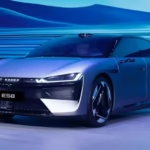
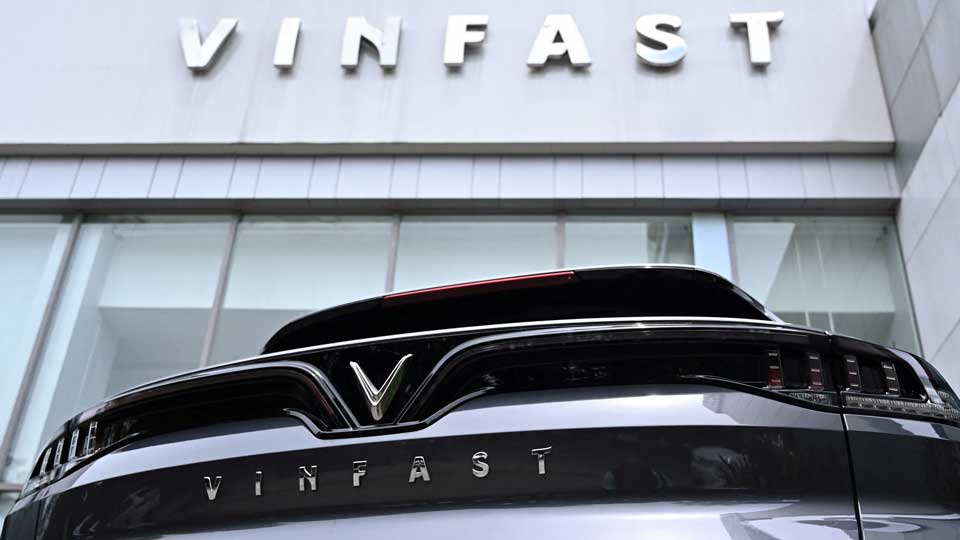
The VinFast EV price hike varies by variant. For the VF 6, the Earth trim rises by Rs 80,000. The Wind and Wind Infinity versions increase by Rs 90,000 each. This compact SUV offers a 59.6 kWh battery with up to 468 km range. It seats five and includes features like ADAS Level 2.
For the VF 7, the hike reaches Rs 1.3 lakh across trims. The Plus variant jumps by Rs 1.25 lakh to Rs 24.29 lakh. This larger SUV provides a 75.3 kWh pack for 431 km range. Both models retain lifetime warranties on battery and motor. Thus, the adjustments target profitability after initial subsidies.
Also Read: Tata Avinya EV Flagship Range Set for Late 2026 India Launch
Broader Market Shifts
India’s EV market sees more such adjustments as brands stabilise. The VinFast EV price hike aligns with rising battery input costs. However, government incentives like FAME III keep overall affordability in check. Competitors such as Hyundai Creta EV hold steady prices for now. Yet, this move encourages fleet operators to act before further rises.
VinFast expands its network too. Dealerships now cover 20 cities, up from 10 last quarter. This supports service access for VF 6 and VF 7 owners. Moreover, charging partnerships with Tata Power add 5,000 points nationwide. As a result, infrastructure catches up with vehicle adoption.
The VinFast EV price hike influences import dynamics. These models arrive as CKD kits from Vietnam, reducing duties. Local assembly plans for 2027 will likely ease future costs. Meanwhile, resale values may dip short-term due to the timing. Buyers turn to used options or wait for subsidies.
Supply Chain Realities
Global battery prices stabilised in late 2025, but logistics added premiums. The VinFast EV price hike covers these without cutting features. For instance, both SUVs have ventilated seats and panoramic roofs. Production at VinFast’s Tamil Nadu plant ramps up to 50,000 units yearly. This boosts local jobs in auto assembly.
Trade policies play a role here. India’s 5 per cent EV import duty aids VinFast’s strategy. Compared to rivals, VF 6 undercuts BYD Atto 3 by Rs 2 lakh post-hike. However, the VF 7 competes closely with MG ZS EV. Thus, positioning remains competitive in the Rs 20-25 lakh bracket.
Fleet adoption grows despite the VinFast EV price hike. Logistics firms like BluSmart add 500 VF 6 units quarterly. Their lower running costs offset upfront jumps. Urban delivery sees quieter operations and zero emissions. As such, goods movement benefits from reliable electric options.
Beyond the Spec Sheet
Higher entry prices from the VinFast EV price hike limit access for first-time EV buyers in smaller cities. Urban professionals benefit from extended coverage that covers daily commutes without anxiety. Costs drop over time as electricity becomes cheaper than petrol. Reliability improves with warranty coverage that spans the ownership life.
Delivery networks experience fewer disruptions as fast charging enables route optimisation. Families access safer driving via advanced driver-assist systems in traffic. Behaviour leans towards shared mobility apps integrating these SUVs for cost splits. Infrastructure demands more public chargers, easing peak-hour waits.