
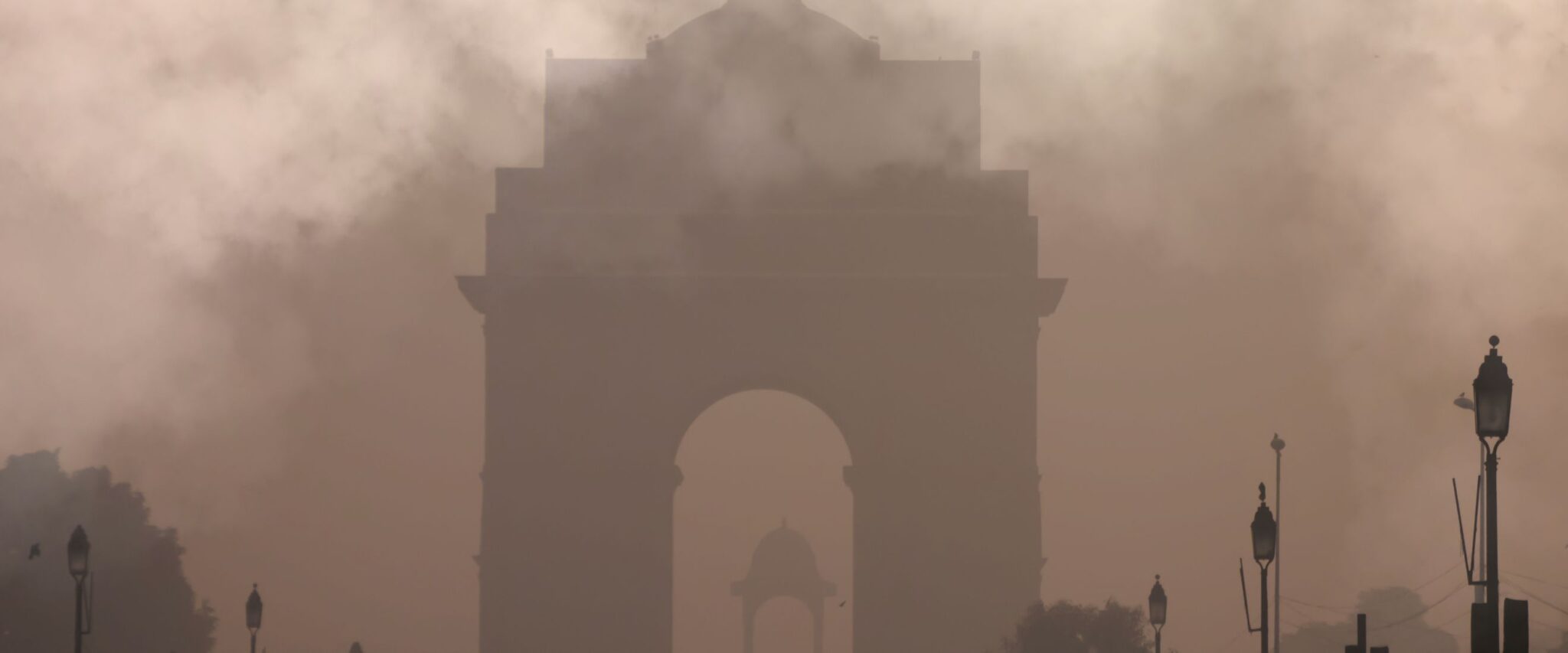
In a pivotal move to curb choking pollution, India’s top court has withdrawn safeguards for outdated BS3 and older vehicles, paving the way for stricter enforcement in the national capital region
The Supreme Court has just delivered a landmark ruling on vehicle emissions in Delhi-NCR. It ends the temporary shield for BS3 vehicles and older models. This comes amid a relentless smog crisis that blankets the city each winter. Earlier, in August 2025, the court had paused aggressive actions against end-of-life vehicles. Now, that reprieve is gone. Only BS4-compliant and newer vehicles escape the net. For millions of residents, this BS3 vehicles ban marks a turning point in the battle for breathable air.
Authorities can now impound or fine BS3 and below vehicles on roads. Diesel models over 10 years old and petrol ones beyond 15 years face the heat. Data from the Commission for Air Quality Management (CAQM) shows these relics spew up to 31 times more particulate matter. They contribute heavily to the toxic haze. Moreover, about 37% of the 2.88 crore vehicles here run on BS3 or worse engines. The BS3 vehicles ban aims to slash this pollution source fast.
Also Read: Delhi-NCR Fuel Ban on Old Vehicles Starts Again on Nov 1: What to Know?
Forging Paths to Sustainable Urban Mobility
This ruling sparks real change in how we think about transport. First, it boosts the scrappage policy. Owners of BS3 vehicles must now upgrade or retire their rides. Government incentives for electric vehicles (EVs) look more appealing. For instance, subsidies under the FAME scheme could ease the shift. Yet, challenges loom large. Low-income families rely on these affordable older bikes and cars. They worry about costs. However, cleaner air promises health wins. Fewer asthma cases and respiratory woes await. Plus, it nudges manufacturers towards greener tech.
Transitioning feels urgent. Delhi-NCR’s air quality index often hits ‘severe’ levels. The BS3 vehicles ban directly tackles this. It aligns with national goals for net-zero emissions by 2070. Cities like Mumbai and Bengaluru watch closely. They might follow suit soon. Meanwhile, public transport ramps up. Metro expansions and electric buses gain priority. Commuters benefit from less traffic and lower fuel bills in the long run.
Echoes of Enforcement and Everyday Resilience
Enforcement starts immediately. Traffic police and pollution boards gear up for checks. Spot fines and towing await violators under the BS3 vehicles ban. But education campaigns roll out too. Workshops teach owners about retrofitting options. Some BS3 engines can upgrade to BS4 kits. This saves money and complies with rules. Still, not all can afford it. Advocacy groups call for phased implementation. They seek grace periods for rural migrants.
Looking ahead, this decision ripples wide. It accelerates EV adoption. Sales of electric two-wheelers surged 30% last year. The BS3 vehicles ban fuels that trend. Dealerships report rising queries for compliant models. Environmentally, expect a dip in nitrogen oxides by 12% in coming months, per CAQM estimates. Economically, scrap yards thrive. Jobs in recycling grow. Yet, the human side matters. Stories of families scrapping heirloom cars tug at hearts. Resilience shines through, though. Communities adapt with carpooling apps and cycle lanes.
In essence, the Supreme Court prioritises public health over nostalgia. The BS3 vehicles ban, while tough, charts a vital course. Delhi-NCR breathes easier tomorrow. As winter fog lifts, so does hope for sustainable living.


