
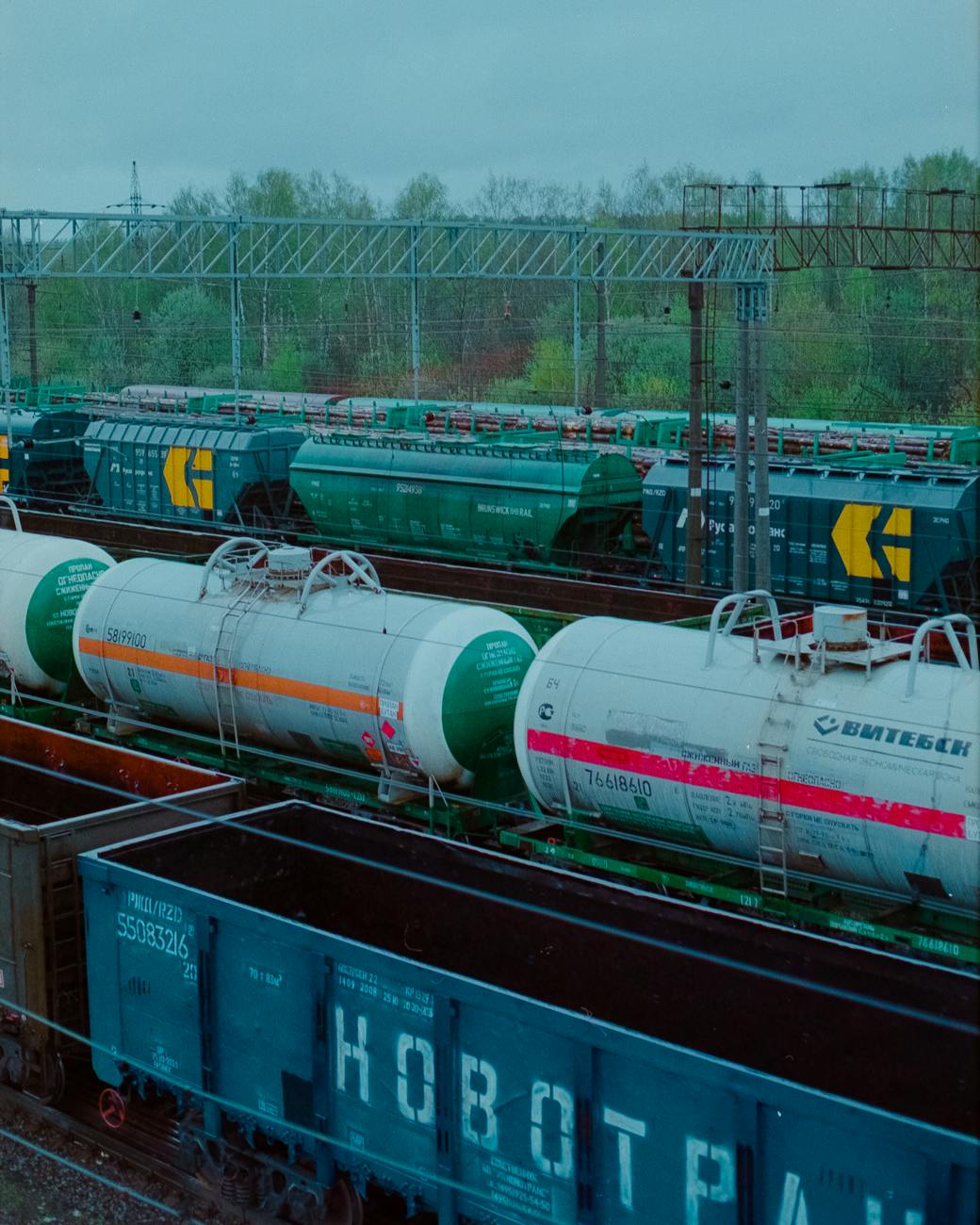
As the current gasoline export ban nears its end on December 31, 2025, officials weigh a further extension to stabilise domestic supplies amid ongoing challenges
Russia faces ongoing fuel supply issues. Officials now consider extending the gasoline export ban beyond its current deadline. The ban, in place until December 31, 2025, covers all exporters. However, sources indicate a possible push to February 2026.
This move aims to protect the domestic market. Ukrainian drone strikes have damaged several refineries this year. As a result, production dropped sharply in some periods. Shortages appeared in regions like the far east and southern areas. Therefore, the government prioritises local supply over exports.
Also Read: India Auto Sector Eyes Strong Multi-Year Recovery on Policy Boost
Moreover, a partial diesel export restriction exists for non-producers. Experts suggest this could lift in January 2026. Yet, the gasoline export ban remains critical. It prevents price spikes during winter demand peaks.
Domestic Stability Amid Refinery Challenges
Refineries continue repairs after attacks. Capacity utilisation stays lower than usual. Consequently, stocks build slowly. Extending the gasoline export ban allows more fuel for Russian drivers and farmers.
In addition, agricultural needs rise in spring. An early lift could trigger shortages again. Officials monitor wholesale prices closely. Recent trends show slight declines, but risks persist.
Furthermore, the ban exempts bilateral agreements with allies. Supplies to countries like Mongolia continue uninterrupted. This balances diplomacy with domestic needs.
Global Energy Market Ripples
An extended gasoline export ban affects international markets. Russia supplies refined products to various regions. Reduced exports tighten global supply slightly.
Thus, petrol prices may rise in importing nations. Asia and Africa feel the impact most. However, the volume removed remains limited compared to crude oil.
Meanwhile, other producers could fill gaps. Yet, sudden changes add volatility. Traders watch developments keenly.
In summary, Russia weighs this extension carefully. It safeguards internal stability while navigating geopolitical pressures. The decision, expected soon, shapes fuel availability at home and abroad.
The gasoline export ban proves a key tool for Moscow. It counters external disruptions effectively. Future implications include steadier domestic prices and potential shifts in global trade flows.


