New V8-powered model blends AMG GT Black Series genes with GT3 racing qualities and targets extreme track capability
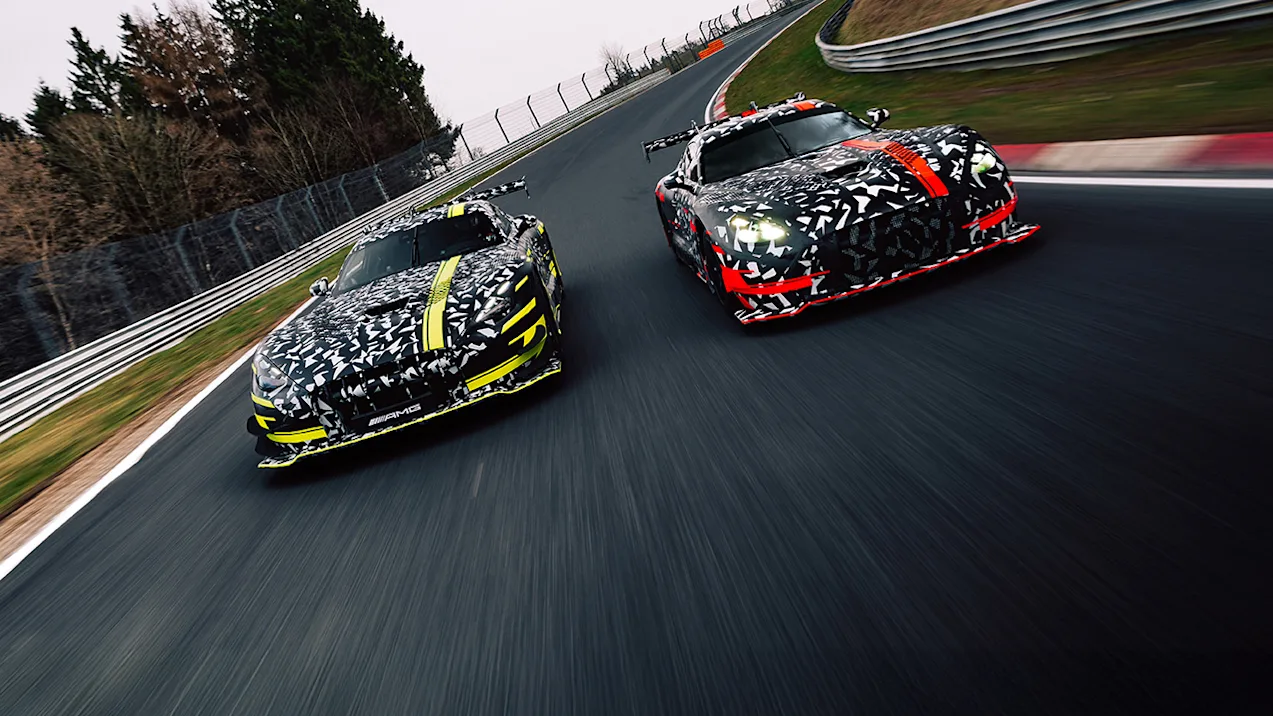
Mercedes-AMG has introduced the GT Track Sport as a new high-performance addition to the GT family. The model draws from the Mercedes-AMG GT Black Series and incorporates proven elements from GT3 and GT4 racing cars.
This development matters because it expands track-capable offerings in the premium sports car segment. It arrives as manufacturers refine extreme performance models for both road and circuit use.
Track Development and Platform Basis
The Mercedes-AMG GT Track Sport builds on the second-generation AMG GT platform. It features a V8 drivetrain, sophisticated aerodynamics, and intelligent lightweight construction. Testing has begun on circuits to validate these systems.

Also Read: Mercedes-AMG GT 63 Returns to India with Twin-Turbo V8 Power
Racing Influence on Road Models
The design integrates racetrack-proven qualities from the GT3 programme. This includes advanced aerodynamic features that improve downforce and stability at high speeds. The approach strengthens the link between motorsport technology and road-going vehicles.
System Relevance in High-Performance Mobility
In performance mobility systems, the Mercedes-AMG GT Track Sport highlights continued investment in combustion-engine excellence alongside electric developments. It supports circuit-based driver training and track-day events. The model also informs future iterations of the GT lineup, including potential Black Series variants.

Beyond the Spec Sheet
The Mercedes-AMG GT Track Sport changes movement for enthusiasts on closed circuits. Drivers gain precise handling and stability during high-speed laps. Access to advanced performance improves for private-track users in India and in global markets.
Running costs rise with frequent track use because of specialised tyres and maintenance needs. Reliability under extreme conditions benefits from racing-derived components. Behaviour shifts as owners prioritise circuit sessions over daily commuting. This development encourages structured track access and skill development among performance car users.