
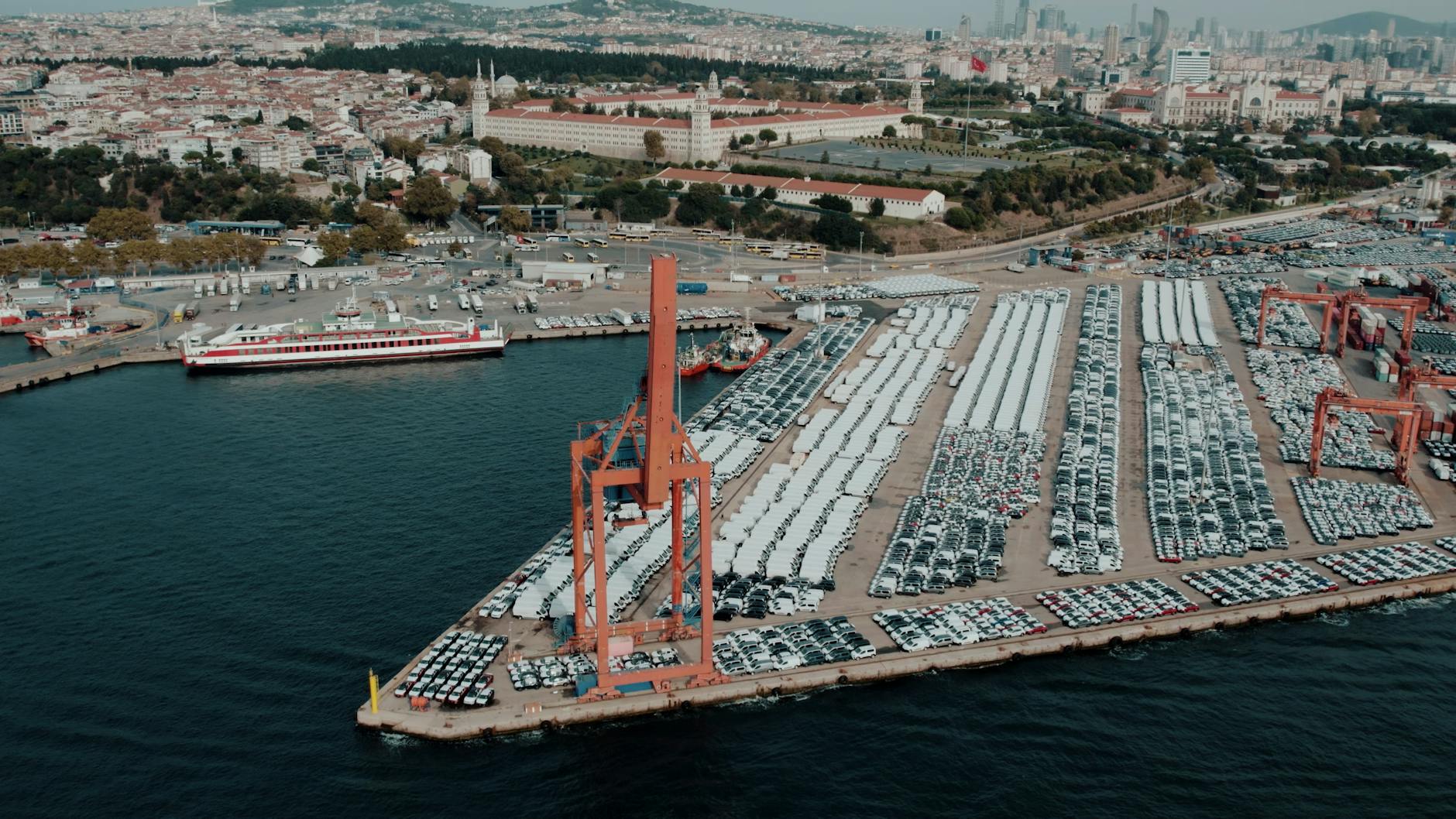
India reduces import duties on EU-made cars progressively to 10% under an annual quota of 250,000 vehicles, opening premium segment access
India and the European Union concluded a landmark free trade agreement on 27 January 2026. The deal lowers tariffs on EU-made cars imported to India from 110% to 10% in phases.
This change matters because it opens India’s protected car market to European manufacturers. The reduction applies under a quota of 250,000 vehicles per year valued above €15,000. Tariffs drop to 30-35% initially and reach 10% over five to ten years.
Quota and Phased Reduction Details
The India-EU FTA sets strict limits on volume. The quota covers completely built units from the EU. It starts with around 100,000 ICE vehicles in year one and increases gradually. Electric vehicles gain concessions after five years.
Also Read: 500% US Tariff Threatens India, China Auto Markets
This structure protects domestic production while allowing controlled entry. Duties on car parts fall to zero over five to ten years.
Impact on Premium Segment
European brands like BMW, Mercedes-Benz, Volkswagen, and Renault benefit most. Many luxury models enter as CBUs and face the high base tariff now. The India-EU FTA lowers this barrier for eligible imports.
Local assembly of European models uses CKD kits at 16.5% duty. Some reports indicate this may halve under the deal, though details await confirmation. The agreement strengthens the EU’s presence without flooding the mass market.
India’s car market grows steadily. Premium buyers seek advanced features and brand value. Lower import costs improve the availability of larger, higher-spec vehicles.
Beyond the Spec Sheet
Buyers access more premium European models for urban and highway movement. Reduced duties lower ownership costs for high-income users over time.
Inter-city travel becomes viable with reliable premium options. Fleets consider EU imports for executive transport due to better margins.
Behaviour shifts as premium electric models enter later, supporting cleaner urban mobility. Access to diverse vehicles increases choice in tier-1 cities.


