The move places Hyundai inside fleet operations, not just showrooms, reshaping how vehicles serve daily urban transport
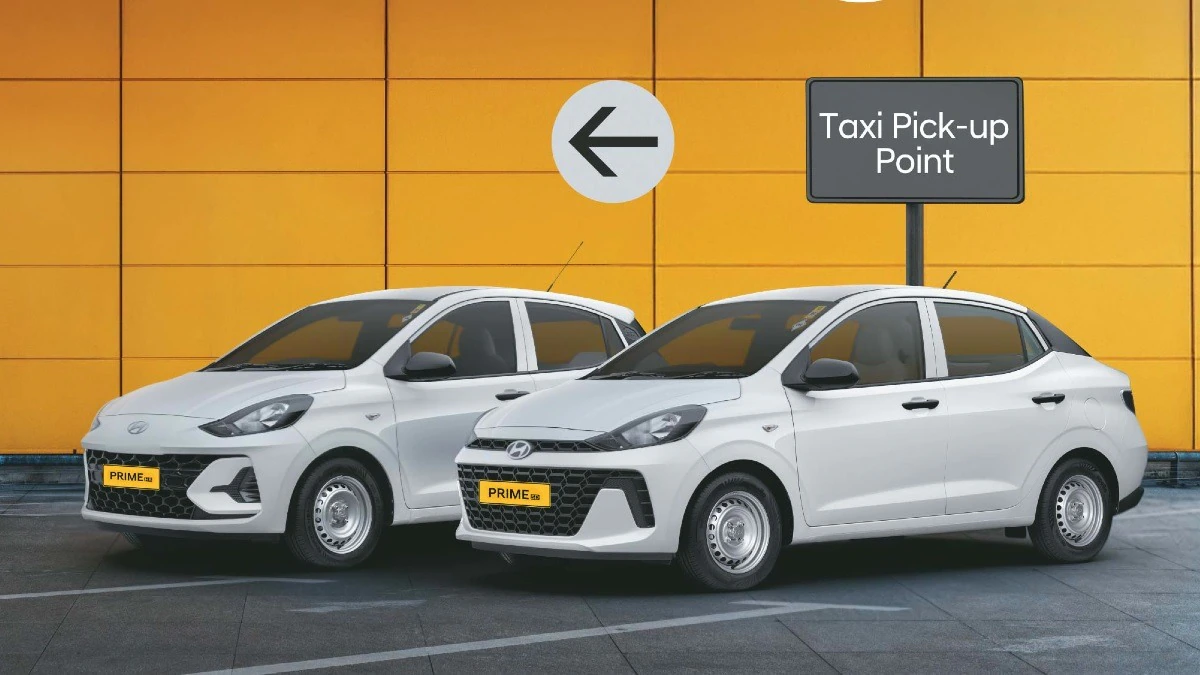
Hyundai Motor India has entered the commercial mobility segment with the launch of its Prime taxi range. This marks a structural shift in how the company positions itself in India, from primarily serving private vehicle buyers to directly addressing fleet-led transport use cases. The Prime range is aimed at taxi operators, aggregators, and institutional buyers who value uptime, predictable costs, and service reach over personal features or performance branding.
Within the broader mobility landscape, this places Hyundai alongside manufacturers that view vehicles as tools within a transport system, not endpoints. Commercial mobility in India has long been shaped by fleet economics, financing structures, and service reliability rather than retail appeal. Hyundai’s entry signals an intention to participate in those dynamics rather than observe them from the passenger car market.
Why the timing reflects wider mobility shifts
This move comes at a moment when commercial mobility demand is becoming more formalised. App-based ride services, corporate transport contracts, and airport-linked taxi operations now account for a significant share of urban passenger movement. These operators are increasingly standardising fleets to manage maintenance, fuel efficiency, and driver training at scale.
For automakers, this changes the opportunity. Growth is no longer only about selling more units to households. It is about embedding vehicles into operating systems that move people every day. By introducing a dedicated Prime taxi range, Hyundai aligns itself with this shift toward system-integrated commercial mobility, where vehicles are expected to deliver consistency across thousands of kilometres rather than individual ownership pride.
Who feels the impact on the ground
Fleet operators stand to gain the most immediate impact. A manufacturer-backed taxi offering can reduce friction around procurement, servicing, and resale. In commercial mobility, even small improvements in uptime or service access can materially affect earnings for operators and drivers.
Drivers may also see indirect effects. Standardised vehicles supported by a large service network can mean fewer breakdown-related income losses. For passengers, the change is subtler but real. A more predictable fleet can translate into better ride availability and more consistent vehicle conditions, especially in high-demand urban corridors.
Cities are another stakeholder. As commercial mobility fleets grow more structured, regulators and planners find it easier to engage with organised operators on issues like emissions, safety compliance, and parking management.
Also Read: Hyundai Announces Bayon SUV Launch for India in 2026
Beyond the Spec Sheet
What matters here is not the Prime badge or the vehicles themselves, but how this alters daily transport behaviour. When a major carmaker commits to commercial mobility, it strengthens the ecosystem that keeps taxis running as dependable urban infrastructure. Vehicles become rolling assets optimised for time, distance, and serviceability.
On city roads, this shows up as fleets that look and perform more uniformly. In workshops, it means predictable maintenance cycles and parts demand. In financing, it supports models built around high utilisation rather than long-term personal ownership. Over time, such moves reinforce the idea that mobility in India is increasingly about systems that move people efficiently, not just cars that individuals buy.