The European Union plans to soften its ambitious 2035 combustion engine ban. This move responds to calls from automakers and key nations, paving the way for continued hybrid and fuel options
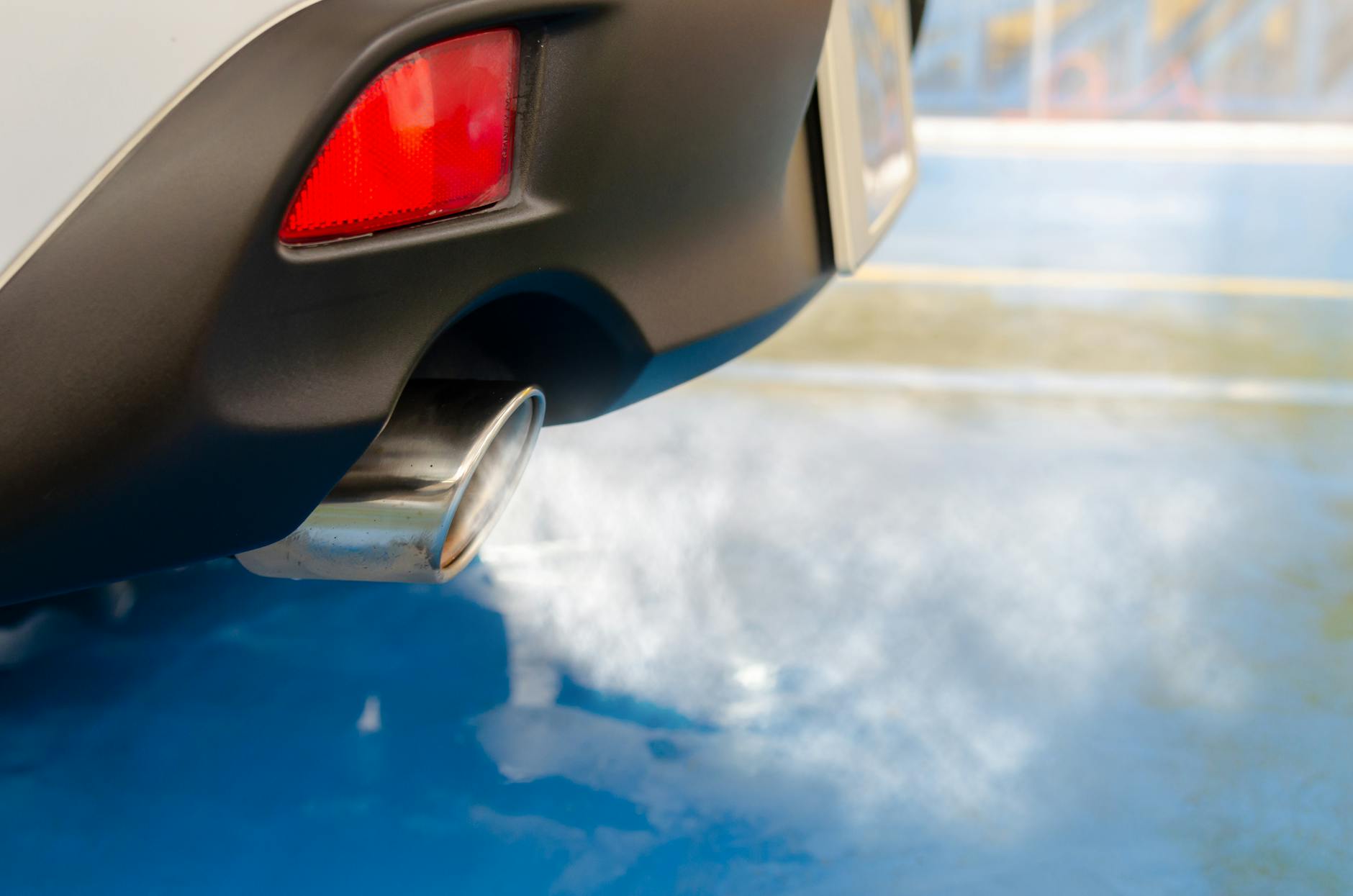
The European Union introduced a combustion engine ban in 2023. This rule required all new cars and vans sold from 2035 to emit zero CO2. Consequently, it effectively phased out petrol and diesel vehicles. However, recent developments show a major shift.
Pressure from Germany, Italy, and automakers has intensified. These stakeholders argue that slow EV adoption and competition from China threaten jobs. Moreover, high costs hinder the full switch to batteries. As a result, the European Commission now plans changes.
Also Read: EU’s 2035 Zero-Emission U-Turn Risks 1M Jobs: What’s at Stake?
Shifting Policy Landscape
Manfred Weber, leader of the largest group in the European Parliament, announced the update. He stated that the combustion engine ban is “off the table.” Instead, officials propose a 90% reduction in fleet CO2 emissions from 2035. This adjustment allows room for advanced hybrids and range extenders.
Additionally, CO2-neutral fuels gain prominence. Biofuels and synthetic e-fuels could power combustion engines longer. Therefore, manufacturers like Volkswagen and BMW welcome flexibility. However, companies such as Volvo criticise the move. They have invested heavily in pure EVs already.
Yet, environmental groups worry about delays in decarbonisation. Spain, for instance, urged against weakening targets. Despite opposition, the shift prioritises industry competitiveness.
Future Implications for Drivers and Industry
This reversal impacts buyers significantly. First, petrol, diesel, and hybrid options may remain available beyond 2035. Thus, travellers enjoy more choices for long trips. Moreover, prices could stabilise as EV demand grows gradually.
For the auto sector, jobs in engine production stay secure. European firms gain time to innovate. However, they must still cut emissions sharply. Consequently, investment in hybrids and efficient engines rises.
Overall, the EU balances climate goals with economic needs. While EVs dominate eventually, the combustion engine ban softens. This pragmatic approach ensures smoother transition. Yet, it risks slower progress on net-zero targets.