
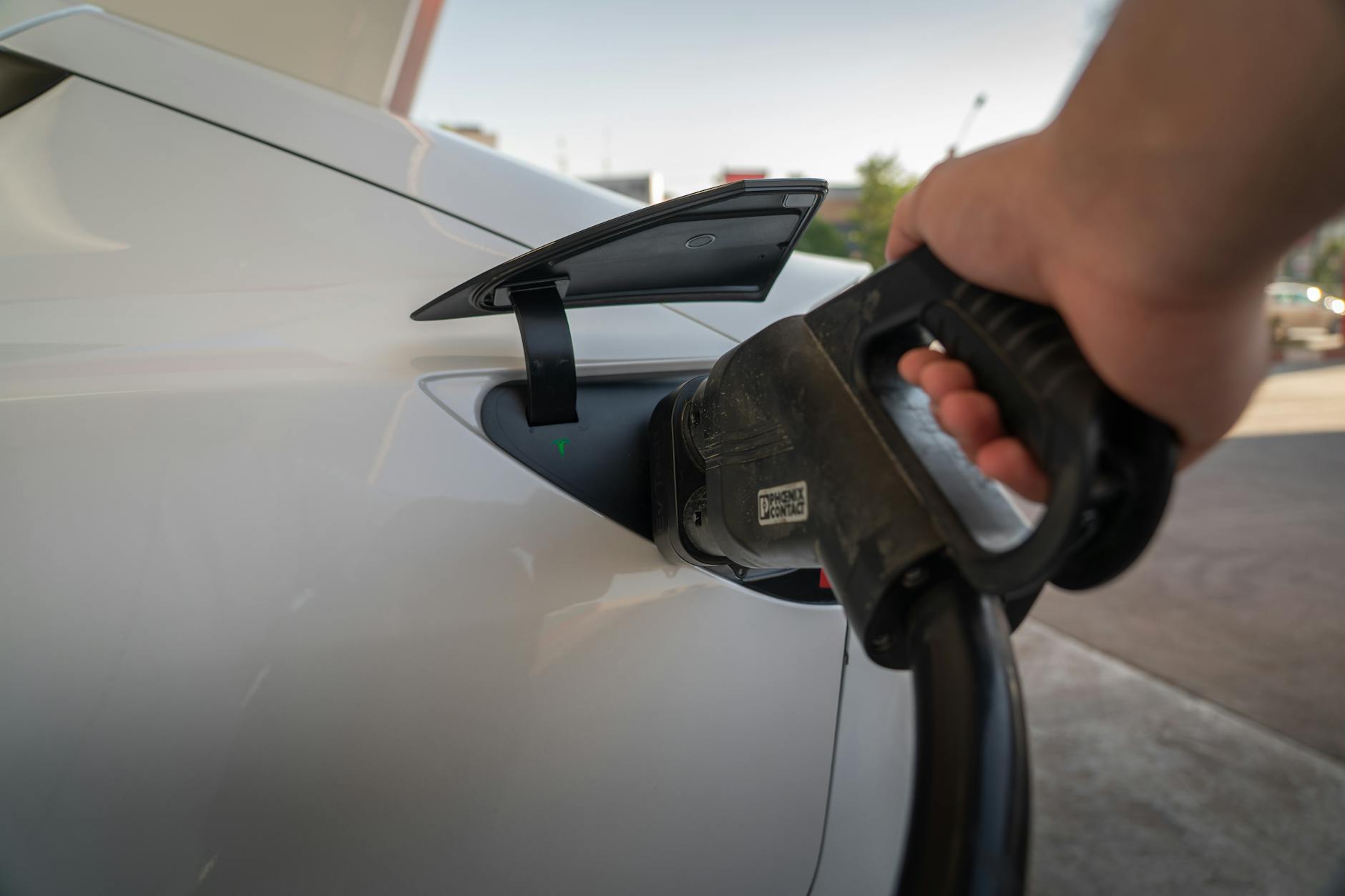
Internal trials of megawatt-level charger spotted near headquarters, nearly triple Tesla V4 output
BYD has conducted internal testing of its next-generation megawatt flash charging system in Shenzhen. Observers captured images of the demonstration station near the company’s headquarters. The setup features high-power cabinets rated for peak output of 1500 kW.
Also Read: BYD Overtakes Tesla, Redrawing the Global Electric Mobility System
This testing matters because it pushes charging power levels beyond those of existing public networks. The BYD 1500 kW flash charge system builds on earlier megawatt deployments and aims to significantly reduce charging time for compatible vehicles.
Charging Hardware Details
The charger operates on a 1000 V architecture with a capability of 1500 A. This configuration delivers the 1500 kW peak rating from a single gun. Access during tests was limited to vehicles equipped with a “Flash Charge” badge. Models included upcoming variants such as Tang 9, Song Ultra, Seal 07, Denza Z9 GT, and certain Tai-series units. Charging stopped automatically at 97 per cent state of charge.
Also Read: Tesla Ends Model S and Model X Production to Shift Focus to Autonomy and Robotics
System Integration and Compatibility
The BYD 1500 kW flash charge requires vehicles that accept over 1000 kW input power. Earlier generations supported up to 1360 kW in some configurations. The new system uses liquid-cooled technology for sustained high output. A dedicated Flash Charging app supports plug-and-charge functionality and offers transparent pricing. Nationwide rollout of related infrastructure continues in China.
Beyond the Spec Sheet
Long-distance drivers gain shorter stops for recharges during inter-city travel. Commercial fleets experience reduced downtime for goods movement on highways. Daily commuters in urban areas face less range anxiety with quick top-ups. Overall travel time decreases as charging aligns more closely with refuelling petrol vehicles. Access to extended mobility improves for users in regions with expanding high-power stations. Reliability increases through consistent fast sessions that match vehicle capabilities. Behaviour around electric ownership shifts with minimal waiting at compatible points.


