The revised price shows how everyday two-wheeler mobility is adjusting to costs, demand, and road use realities
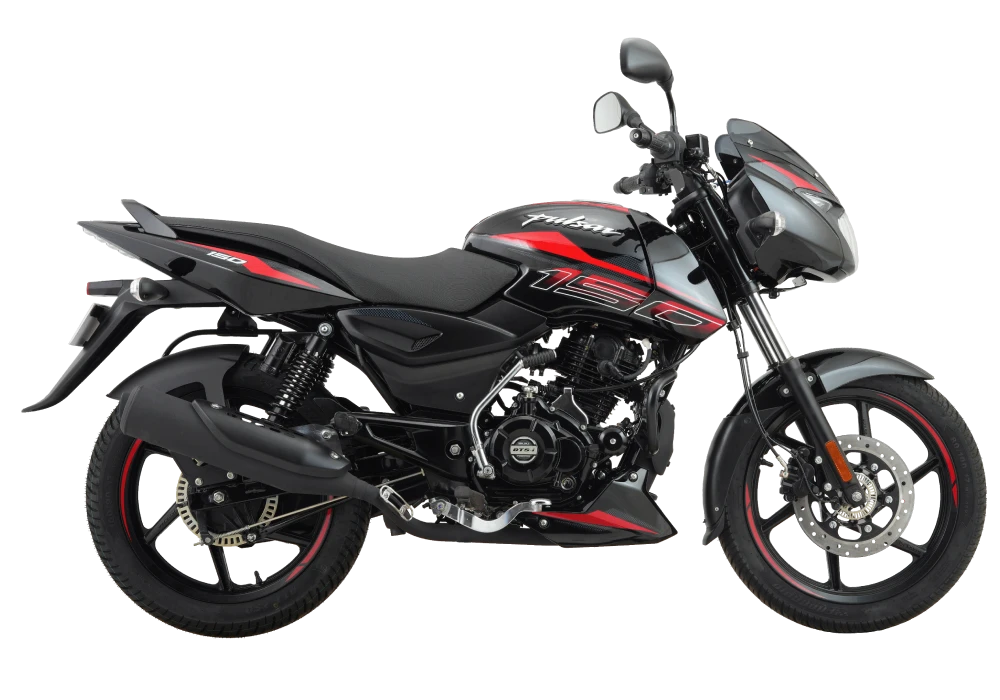
Bajaj Auto has launched the new Pulsar 150 at Rs 1.09 lakh, positioning one of India’s most recognisable motorcycles firmly above the one-lakh mark. The Pulsar 150 has long sat at the intersection of performance and daily commuting, used by office-goers, students, and delivery riders across cities and small towns. This price revision places the model within a broader shift in commuter motorcycle pricing, where even established mass-market bikes are moving into higher price brackets.
The update is not about a radical redesign or a new segment entry. It is about maintaining relevance in a market where regulatory compliance, input costs, and consumer expectations have changed. In mobility terms, the Pulsar 150 remains a workhorse. What has changed is the economic context in which that workhorse operates.
Why commuter motorcycle prices are rising now
The timing of the price reflects pressures that have steadily built up over the past few years. Emission norms, mandatory safety equipment, and higher material costs have reshaped commuter motorcycle pricing across brands. These changes are not isolated to premium models. They affect the entire two-wheeler ecosystem, including vehicles meant for daily travel of 20 to 40 kilometres.
At the same time, motorcycles like the Pulsar 150 now compete with entry-level scooters, used cars, and even electric two-wheelers. Manufacturers are under pressure to balance affordability with durability and perceived value. The Rs 1.09 lakh price signals that sustaining an internal combustion commuter motorcycle within regulatory and quality expectations now requires higher upfront spending.
From a systems perspective, this reflects how personal mobility is becoming more capital-intensive, even before fuel, insurance, and maintenance costs are considered.
Who feels the impact on the ground
For individual riders, commuter motorcycle pricing directly affects access. A higher entry price can delay purchases, push buyers towards financing, or shift demand to the used market. First-time buyers in smaller cities, who once saw 150cc motorcycles as aspirational but attainable, now face a narrower affordability window.
Fleet operators and gig workers also feel this shift. Motorcycles like the Pulsar 150 are often chosen for their balance of power and reliability. As commuter motorcycle pricing rises, replacement cycles may stretch longer, affecting vehicle condition and operating efficiency on the road.
Urban traffic patterns may also reflect this change subtly. When new vehicle purchases slow, older motorcycles remain in circulation longer. This has implications for emissions, safety, and maintenance standards, even if the individual model itself meets current regulations.
Where this fits in India’s mobility structure
The revised price highlights how the middle layer of India’s two-wheeler market is evolving. Entry-level motorcycles have become more basic, while mid-capacity commuters edge closer to premium pricing. This squeezes the space that models like the Pulsar 150 traditionally occupied.
Commuter motorcycle pricing now reflects not just manufacturing cost but also the value placed on reliability, brand familiarity, and service networks. For many riders, these factors matter more than headline features. The Pulsar brand benefits from this trust, allowing it to sustain demand even as prices rise.
Also Read: Bajaj Auto Unveils Premium Chetak Electric Scooter
Beyond the Spec Sheet
On the road, this price update shows up in quieter ways. Riders think longer before upgrading. Financing becomes the default rather than the exception. Service centres see older motorcycles kept running for extra years. Traffic remains dominated by familiar models, but their average age increases.
In cities, commuter motorcycle pricing influences how people choose between riding, sharing, or shifting to public transport. In smaller towns, it shapes whether households own one motorcycle or delay adding a second. The Pulsar 150’s new price is less about one bike and more about how everyday mobility adapts to higher costs while still relying on two wheels as the backbone of movement for people and goods.