Electric two-seat sports car to launch despite Porsche platform uncertainty, previewing new design language
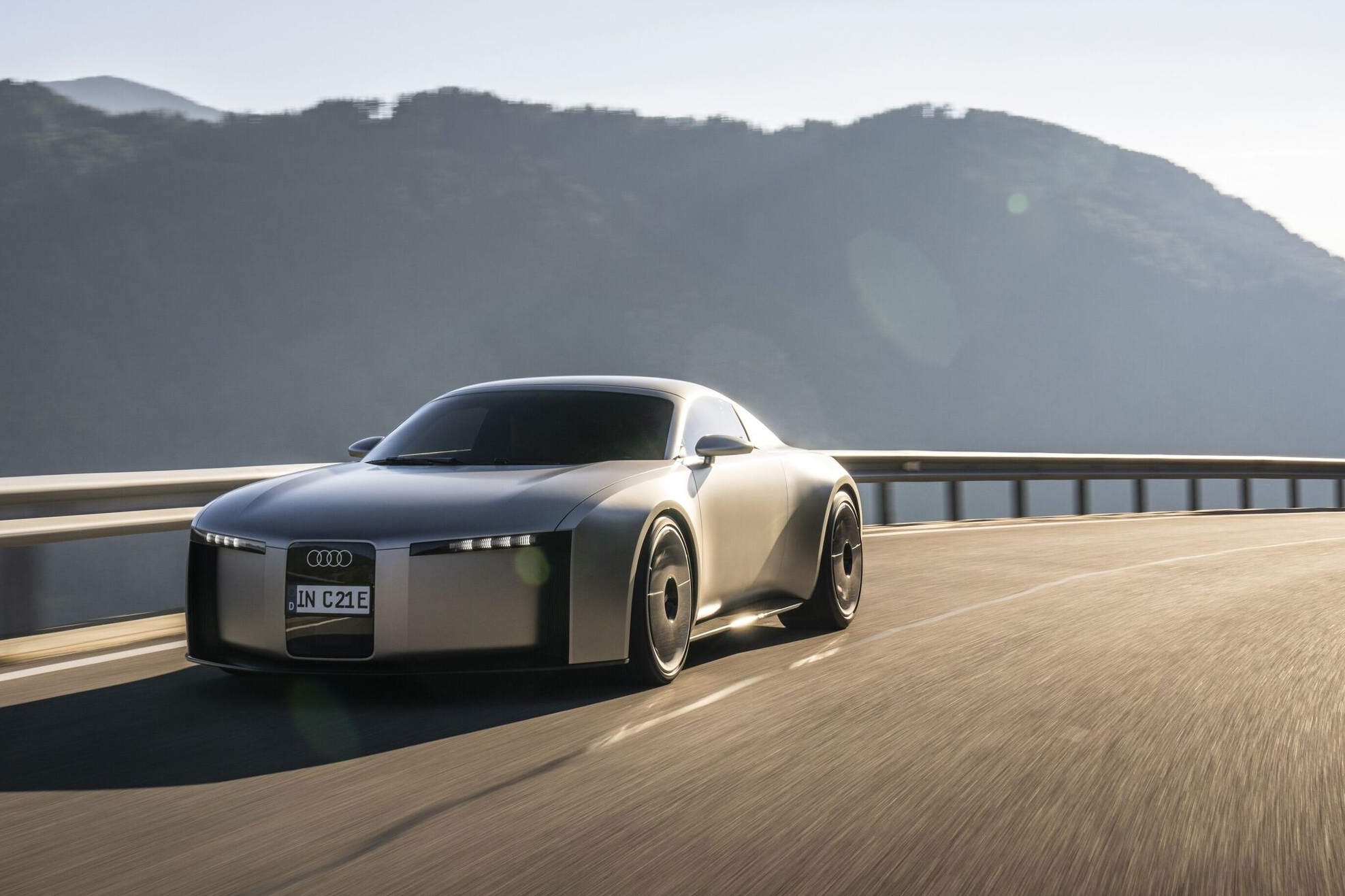
Audi has confirmed that the production version of the Audi Concept C will arrive in 2027. CEO Gernot Döllner stated this in an internal letter to employees. The decision addresses concerns after reports that Porsche may halt its related electric 718 models.
This matters now because the Audi Concept C previews Audi’s shift to a new design philosophy called radical simplicity. It also secures an electric sports car in the lineup after the TT ended production. The model uses a platform co-developed with Porsche.
Platform Details
The Audi Concept C builds on a dedicated EV architecture. It features an 800-volt system and places the battery behind the seats for a low centre of gravity. Rear-wheel drive comes standard, with dual-motor all-wheel drive as an option.
This setup supports balanced weight distribution and sharp handling. The production model retains the concept’s retractable hardtop for open-air driving. Exact power figures remain undisclosed, but the focus stays on dynamics over outright speed.
Also Read: Audi Q7 Signature Edition Targets India’s Luxury SUV Boom
Design and Positioning
The Audi Concept C introduces crisper lines and minimalist surfaces. It sits between the former TT and R8 in terms of pricing and appeal. The car targets enthusiasts who want electric performance with emotional appeal.

In global mobility, the Audi Concept C adds a premium electric option in the two-seater segment. It reduces the brand’s dependence on larger SUVs for its image. Shared development with Porsche spreads costs across models.
Beyond the Spec Sheet
The Audi Concept C enables spirited drives on winding roads with instant torque response. Owners gain reliable access to open-top experiences without engine noise or emissions. Lower running costs support frequent use for leisure movement.
Fast charging via 800-volt tech shortens stops during longer trips. This improves confidence in electric ownership for performance-oriented users. Behaviour shifts as drivers choose sustainable options that maintain driving pleasure. Urban and highway access becomes quieter and smoother.