
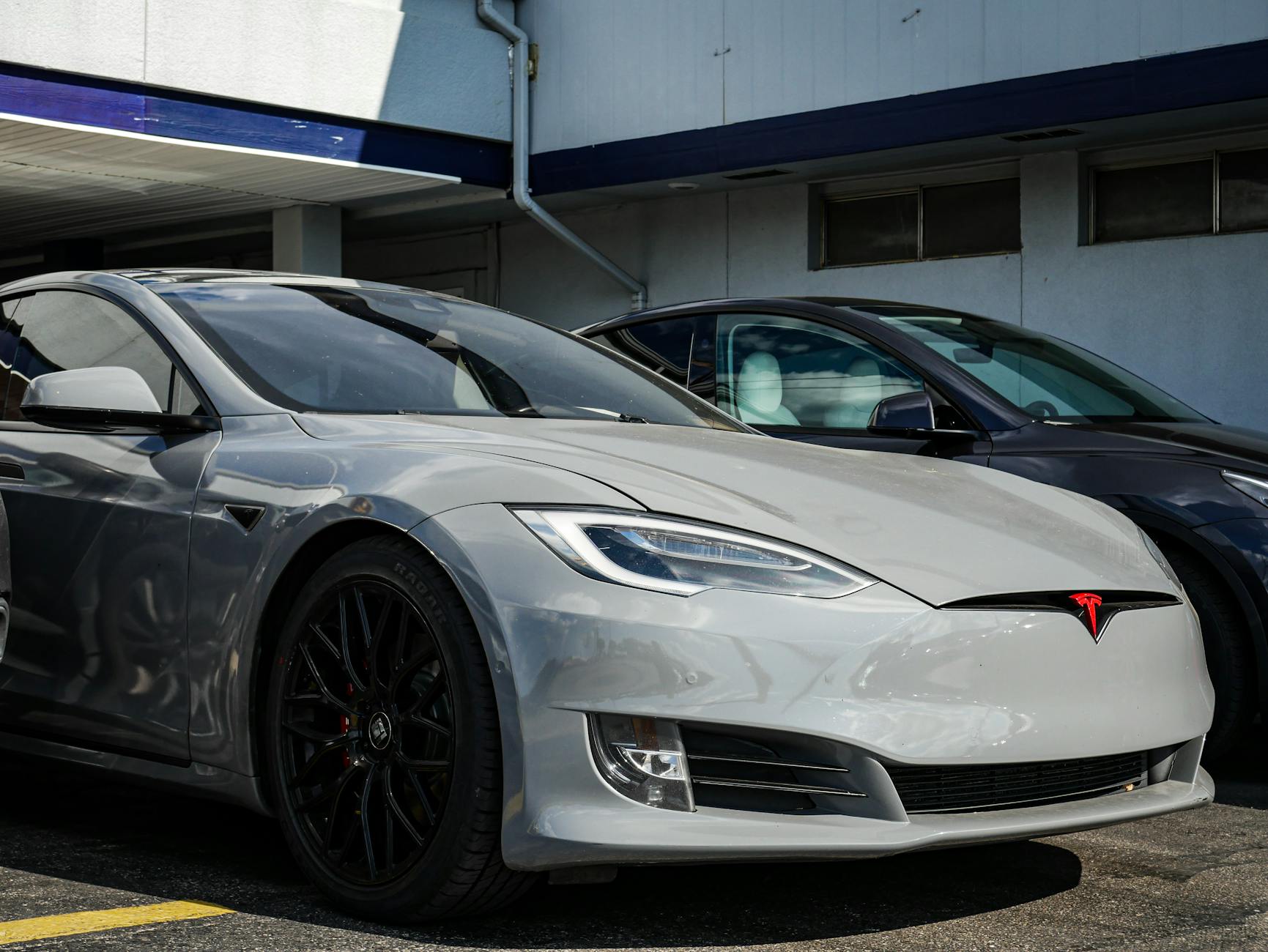
Plans to discontinue flagship models by mid-2026, repurposes Fremont factory for Optimus humanoid robots amid pivot to AI-driven mobility
Tesla announced the discontinuation of Tesla Model S and X production during its Q4 2025 earnings call. CEO Elon Musk stated production will wind down next quarter and end completely by mid-2026.
This decision matters now because it signals a clear shift in resource allocation. The Fremont factory space used for these models will transition to manufacturing Optimus humanoid robots. Tesla aims for high-volume robot production while advancing autonomous systems.
Production Line Repurposing
The Fremont facility has built Tesla Model S and X since 2012 and 2015, respectively. These lines now face conversion to support Optimus assembly. Tesla targets one million units per year for the humanoid robot once scaled.
The move frees capacity from low-volume luxury vehicles. Model 3 and Model Y continue as core passenger offerings.
Also Read: Tesla Humanoid Robots to Transform Automotive Manufacturing by 2027
Shift to Autonomy and Robotics
Tesla Model S and X discontinuation aligns with the emphasis on autonomy. Musk described it as necessary for a future based on self-driving technology. The company advances Full Self-Driving software and dedicated robotaxi platforms, such as Cybercab.
Optimus represents expansion into physical AI applications beyond vehicles. Robots may handle tasks in manufacturing, logistics, or services over time.
Tesla maintains support for existing Tesla Model S and X owners through service and parts availability. No direct successor models replace these flagships in the current lineup.
Beyond the Spec Sheet
Owners of Tesla Model S and X face limited new vehicle options in the premium electric segment from the brand. The movement for individuals shifts toward mass-market models or toward future autonomous ride options.
Access to personal luxury electric transport decreases as production stops. Cost structures change with potential resale value impacts on current vehicles.
Reliability remains for in-service units under warranty and support commitments. Behaviour in daily commuting may turn toward shared autonomous fleets for longer trips. Goods movement could see early robot integration in warehouses or last-mile delivery. The infrastructure focus shifts from passenger-car charging to systems supporting broader AI and robotics deployment.


