
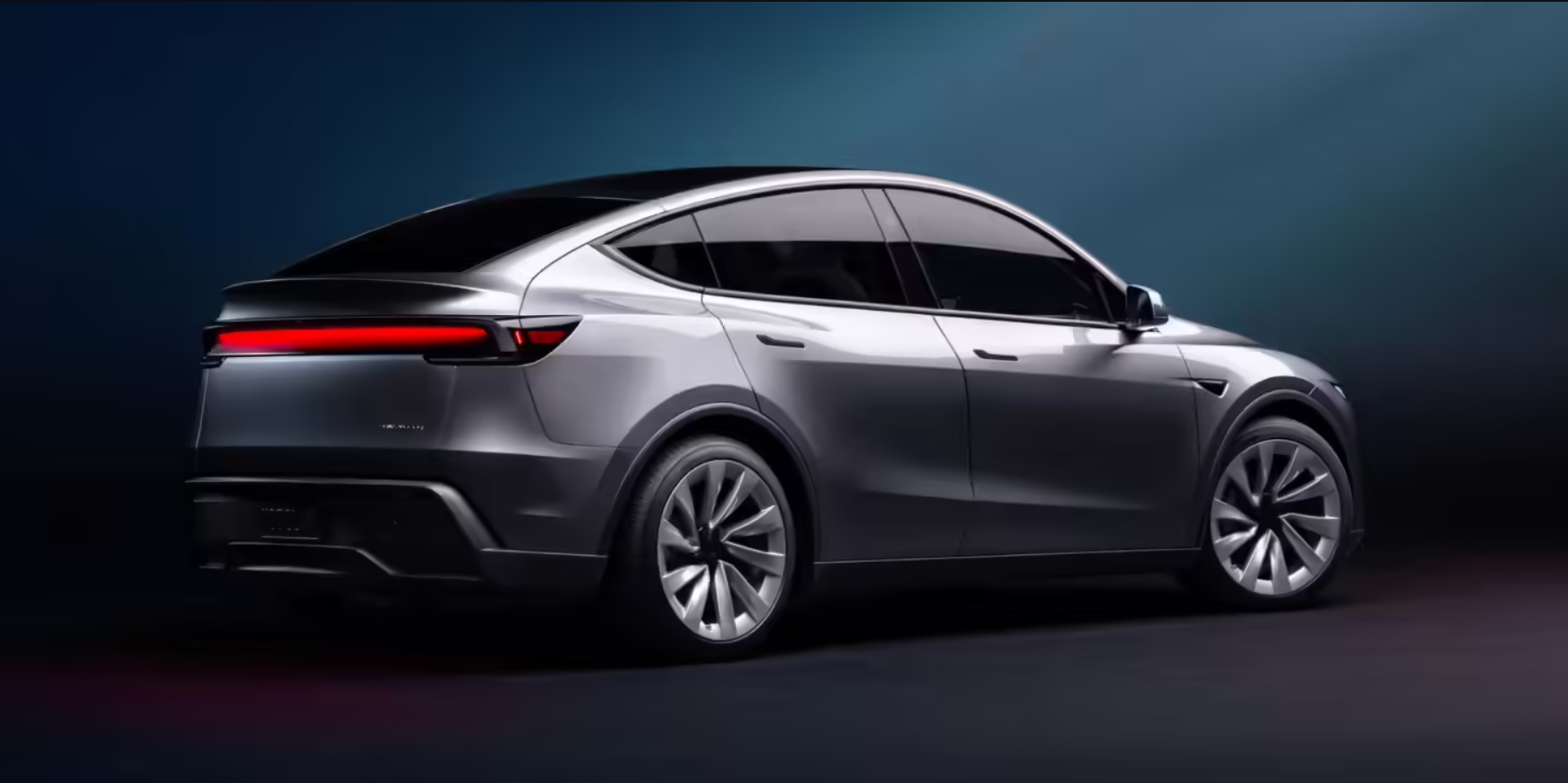
Up to ₹2 lakh reduction targets slow sales of imported Model Y SUVs months after launch
Tesla has started offering discounts on unsold Model Y inventory in India. Reports indicate reductions of up to ₹2 lakh on select variants. This move follows slow sales since the model’s launch in mid-2025.
The development matters as it shows early challenges in Tesla’s India entry. Imported vehicles face high duties, and demand has not matched initial expectations. Tesla Model Y discounts aim to move remaining stock from the first batch.
Tesla Model Y Discounts Target Specific Variants
Tesla imported around 300 Model Y SUVs last year. Nearly one-third of the units, about 100, remain unsold. Tesla Model Y discounts apply mainly to Standard Range variants in specific colours like Stealth Grey with black interiors. These offers occur during customer interactions and test drives rather than public promotions.
The Standard Range model starts at ₹59.89 lakh ex-showroom, while the Long Range variant costs ₹67.89 lakh. High import duties push on-road prices near ₹70 lakh. Tesla Model Y discounts provide some relief in this premium segment.
Also Read: BYD Overtakes Tesla, Redrawing the Global Electric Mobility System
Context in India’s Premium EV Market
India’s luxury EV segment grows steadily. Competitors like BMW offer locally assembled models, such as the iX1, at lower prices, thanks to established networks. BYD also gains traction with competitive offerings. Tesla relies on imports for the Model Y, which limits volume and pricing flexibility.
Slow conversion from bookings to deliveries contributes to the inventory. Some early bookers cancelled after test drives, preferring alternatives with better value or support. Tesla Model Y discounts reflect efforts to adjust to local market realities without local manufacturing yet.
Beyond the Spec Sheet
Tesla Model Y discounts lower the entry cost for premium electric SUVs. Buyers gain access to longer-range electric mobility at reduced upfront expense. Daily commutes and inter-city travel become more affordable for urban users in metros.
Fleet operators consider electric options with lower total ownership costs over time. Reliable charging networks support extended movement without range anxiety. Behaviour shifts as more people test and adopt premium EVs when prices align closer to expectations. Infrastructure use increases with higher adoption in select cities.


