
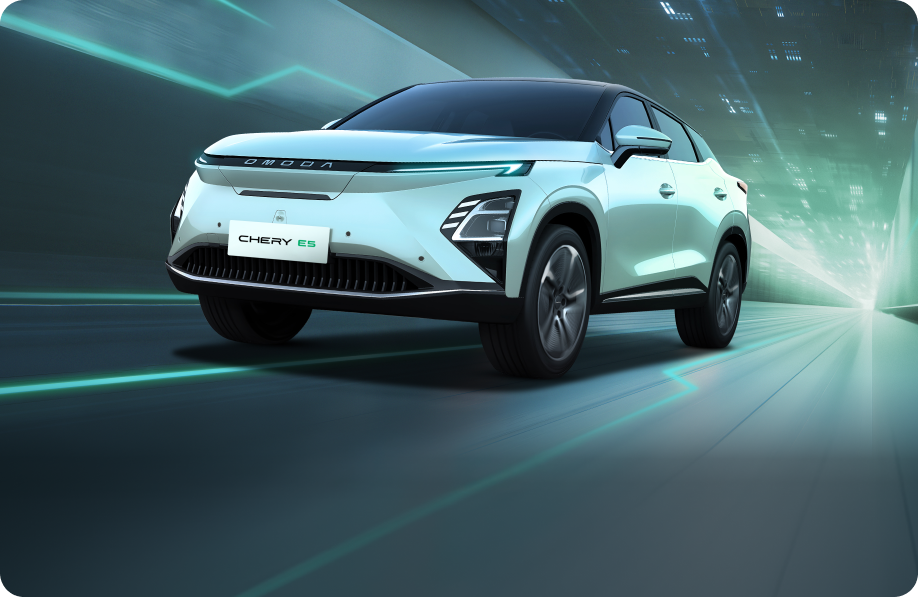
Exeed Liefeng shooting brake to feature Chery’s self-developed solid-state battery with claimed 1500 km range even at -30°C
Chery has announced plans to launch its first electric vehicle equipped with a solid-state battery in 2026. The model is the Exeed Liefeng shooting brake, developed under the premium Exeed brand.
This step matters because it marks the initial application of Chery’s self-developed battery technology in a vehicle. The move advances from the prototype stage shown in late 2025 to real deployment.
Solid-State Battery Technology Details
Chery’s new battery uses an in-situ polymerised solid-electrolyte system paired with lithium-rich manganese cathode material. The company developed it through the Chery Solid-State Battery Research Institute. Earlier prototypes reached a cell energy density of 600 Wh/kg.
This density exceeds that of typical lithium-ion batteries used in current EVs. Solid-state design removes flammable liquid electrolytes. It improves safety during damage tests, such as nail penetration or drilling.
The battery maintains performance at low temperatures. Chery claims reliable operation at -30°C for the Liefeng model.
Vehicle and Performance Specifications
The Exeed Liefeng adopts an 800 V architecture. It includes a high-speed electric motor rated at 30,000 rpm. Acceleration from 0 to 100 km/h occurs in under 3 seconds. Top speed reaches 260 km/h.
Chery states that the solid-state battery enables a range of 1500 km on a single charge under CLTC conditions. This holds even in sub-zero environments. Earlier announcements mentioned models like the Exeed ES8 Shooting Brake with solid-state integration for a range of around 1000 km.
Also Read: Chery Readies Exeed EVs for Solid-State Battery Trials in 2026
Implications for Mobility Systems
The adoption of solid-state batteries addresses key barriers to electric mobility. A higher energy density allows a larger range without significantly increasing vehicle weight. Improved safety reduces the risk of thermal runaway in accidents.
Cold-weather reliability supports consistent performance in regions with harsh winters. This expands usability for long-distance travel.
Charging infrastructure benefits from potentially faster rates due to battery characteristics. However, high initial costs persist, as solid-state packs remain more expensive than conventional ones due to higher material and yield costs.
Beyond the Spec Sheet
A longer range from a solid-state battery reduces stops during inter-city movement for people and goods. Drivers gain confidence in planning extended trips without range anxiety.
Access to reliable electric options improves in cold climates where current batteries lose efficiency. Lower degradation over cycles enhances long-term ownership reliability.
Fleet operators consider electric vehicles for heavy-duty routes with reduced downtime from charging. User behaviour shifts toward electric for premium or long-haul needs as safety and consistency build trust. Running costs drop over distance due to efficiency gains.


