Canadian authorities flag safety breach after pre-flight alcohol test failure on an Air India Vancouver-bound service
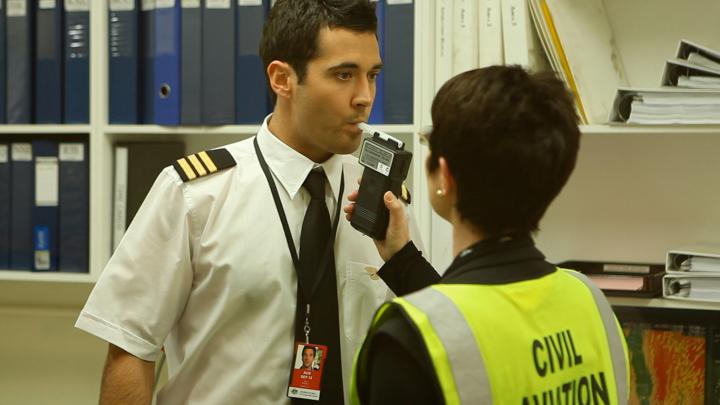
Canadian aviation authorities have sought a formal probe after an Air India pilot breathalyser test reportedly showed failure twice before a scheduled Vancouver-bound flight. The checks were conducted ahead of departure, following standard aviation safety procedures that require crew members to be fully fit to operate.
As per reports, the pilot was removed from duty before the aircraft could depart. No passengers were flown under compromised conditions. From a safety standpoint, the system worked as designed. However, the incident has triggered regulatory attention because it involves an international carrier, cross-border jurisdiction, and a safety protocol that sits at the heart of global aviation trust.
For airlines, incidents involving a failed Air India pilot breathalyser test carry implications beyond a single flight. They invite scrutiny on internal compliance, crew management practices, and how consistently global safety standards are enforced across geographies.
Regulatory context and cross-border oversight
Alcohol limits for flight crew are among the strictest in transport. In most jurisdictions, including India and Canada, aviation regulators mandate zero tolerance or extremely low permissible limits, along with mandatory pre-flight testing in specific scenarios.
Canada’s move to seek a probe reflects how aviation safety does not stop at national borders. When an international flight is involved, the host country’s regulators have the authority to flag concerns, even if the airline is foreign. This layered oversight model is designed to protect passengers and maintain uniform safety expectations across global air corridors.
The Air India pilot breathalyser test episode illustrates how safety enforcement increasingly operates through cooperation between regulators, airports, and airlines rather than relying solely on the carrier’s home regulator.
Implications for airline operations and crew systems
From an operational lens, such incidents highlight the pressure on airlines to manage large, rotating crew bases across time zones. Long-haul international operations require careful scheduling, rest management, and monitoring of crew fitness.
Pre-flight alcohol testing is not only a compliance tool but also a risk management mechanism. A failed Air India pilot breathalyser test raises questions about how airlines monitor off-duty behaviour, enforce rest protocols, and provide preventive interventions rather than reactive discipline.
For carriers operating at scale, even isolated lapses can disrupt flight schedules, lead to crew shortages, and increase operational costs due to last-minute replacements, delays, or cancellations.
Why this matters for the broader mobility system
Aviation is a critical pillar of global mobility, connecting people, cargo, and supply chains across continents. Trust in this system depends on consistent enforcement of safety norms, especially for human-operated transport modes.
When a Air India pilot breathalyser test failure occurs, the ripple effects extend beyond aviation headlines. Passengers reassess confidence, insurers revisit risk assumptions, and regulators re-examine audit frameworks. For airports and ground handlers, it reinforces the importance of robust gate-side and pre-departure checks.
The incident also underlines the growing role of airports as enforcement nodes, not just transit points. Safety accountability now spans airlines, regulators, and infrastructure operators together.
Institutional response and system resilience
While the pilot was grounded before departure, the call for a probe indicates that regulators are looking beyond individual fault. Investigations typically examine whether existing systems were adequate, whether warning signs were missed, and whether reporting mechanisms functioned properly.
In mobility systems, resilience is measured by how early risks are detected and neutralised. The fact that the Air India pilot breathalyser test was conducted and acted upon suggests procedural robustness, even as accountability processes continue.
Also Read: Auto Industry in Crisis: Rare Earths Shortage Sparks Panic
Beyond the Spec Sheet
In practical mobility terms, incidents like this shape how people move and what they trust. A grounded pilot can mean missed connections, higher ticket costs, and rebooked cargo slots. For airlines, repeated scrutiny can translate into tighter oversight, higher compliance costs, and operational friction on international routes.
At the infrastructure level, airports may invest more in testing equipment, training, and documentation processes. For passengers, behaviour shifts subtly. Confidence in pre-flight checks becomes a deciding factor in airline choice, especially on long-haul routes.
Ultimately, the Air India pilot breathalyser test episode reinforces that safe mobility depends not just on aircraft and technology, but on human reliability embedded within tightly monitored systems.