New S models combine hybrid V8 power with Speed chassis tech for focused grand touring in coupe and convertible forms
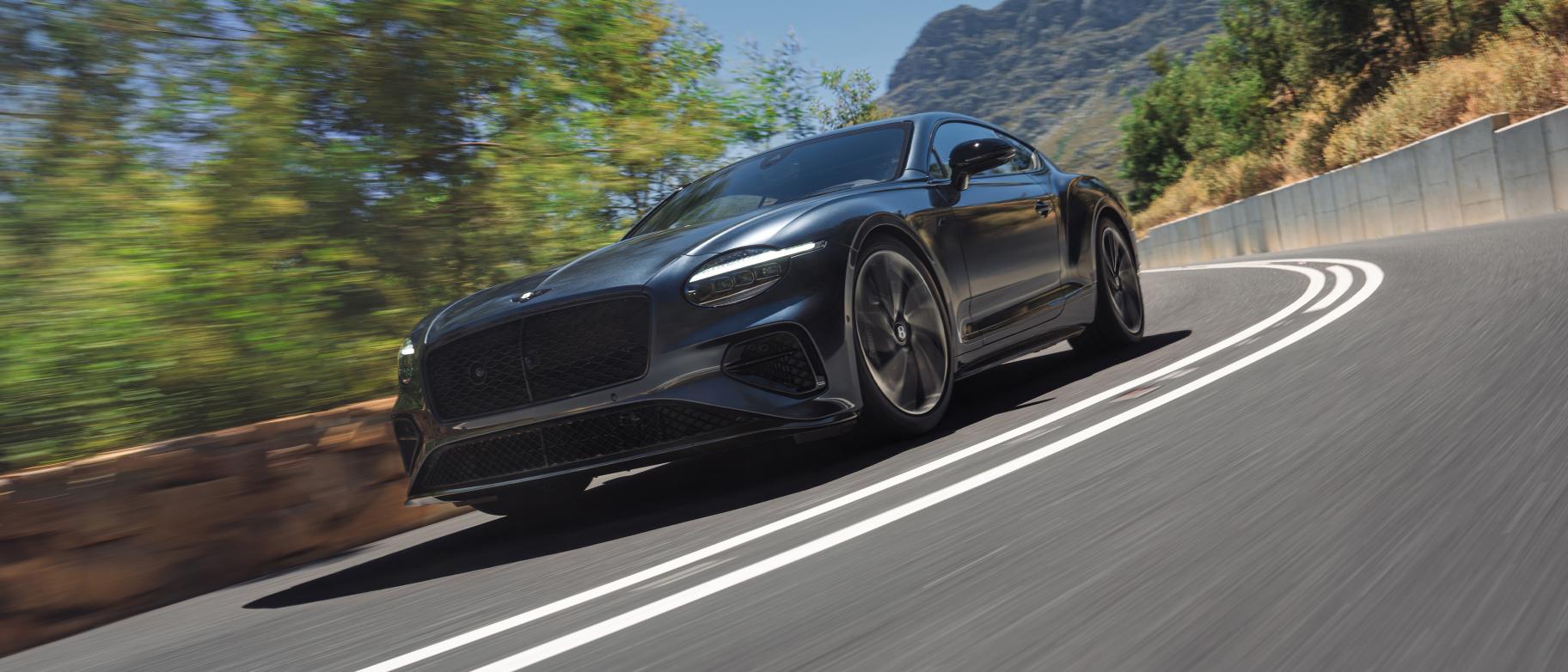
Bentley has revealed the 2026 Continental GT S and GTC S, which join the fourth-generation Continental lineup.
The development matters now because it expands options in the grand tourer segment. The Bentley Continental GT S sits between the standard GT and the higher-performance Speed. It targets drivers who seek sharper dynamics without the top model’s extreme focus.
Hybrid Powertrain and Performance
Both models use the High Performance Hybrid system. This pairs a 4.0-litre twin-turbo V8 with an electric motor. Total output reaches 680 PS and 930 Nm.

Acceleration from 0 to 100 km/h in 3.5 seconds. Top speed stands at 306 km/h. A sports exhaust enhances the V8 sound. The system allows up to 80 km of electric-only range.
Chassis and Handling Upgrades
The Bentley Continental GT S adopts the Bentley Performance Active Chassis from the Speed. This includes active all-wheel drive and torque vectoring. Twin-valve dampers and 48V Dynamic Ride active anti-roll bars feature here.
An electronic limited-slip differential makes its debut on the Continental GT S. All-wheel steering improves manoeuvrability. New ESC software permits more driver control.
Also Read: Bentley Accelerates into Delhi: Luxury Powerhouse Expands India Empire After Mumbai, Bengaluru Wins
Design and Interior Details
Exterior changes include a Blackline Specification with gloss-black accents. Dark-tinted headlamps and tail lamps add presence. 22-inch wheels come in multiple finishes.

Inside, the Bentley Continental GT S features unique two-tone upholstery. Dinamica inserts cover the steering wheel, seats, and door panels. Piano Black veneer forms the trim.
Beyond the Spec Sheet
The Bentley Continental GT S enables confident high-speed travel across long distances. Drivers experience precise handling on varied roads with reduced body roll.
Access to quiet electric mode supports low-emission urban movement. Lower fuel use on hybrid operation reduces running costs for frequent long journeys.
Reliable all-wheel systems maintain traction in adverse conditions. Driver behaviour shifts toward more engaged piloting without losing grand touring comfort.