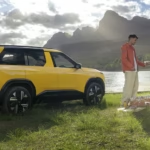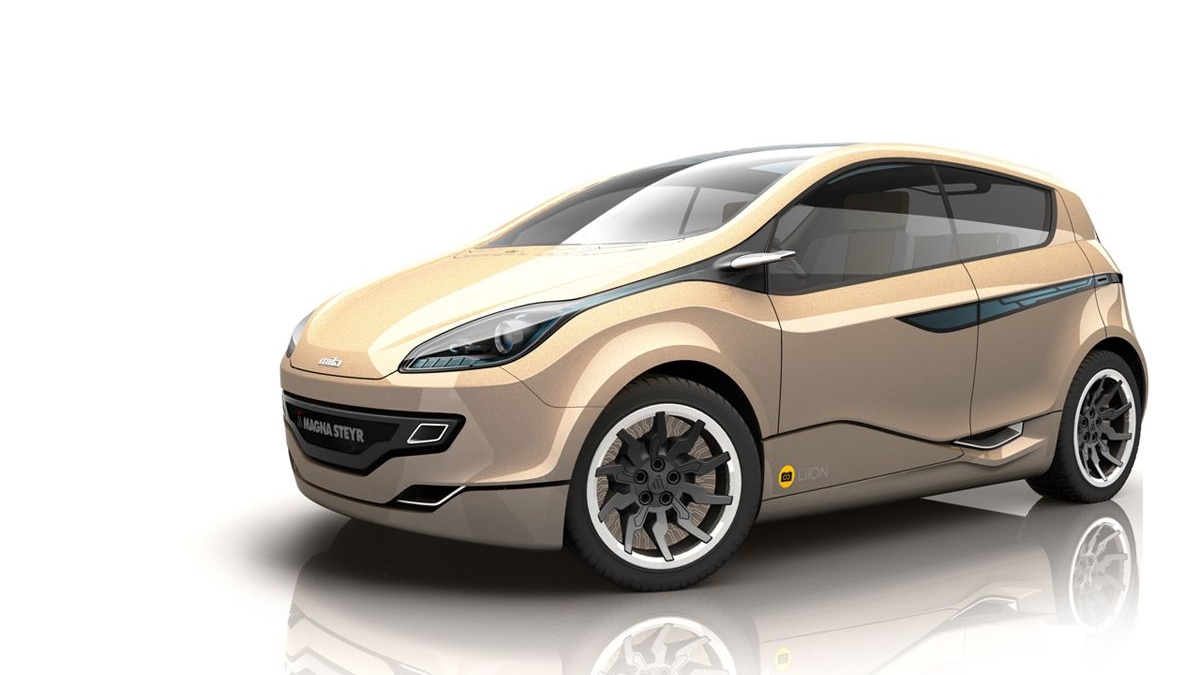
Canadian-Austrian giant Magna will produce Chinese GAC’s premium electric SUVs in Europe from 2027, marking a big step in global automotive realignment and reduced reliance on Asian assembly
GAC electric SUVs will soon roll out from Austrian soil. Magna Steyr, the renowned contract manufacturer based in Graz, has signed a deal with Guangzhou Automobile Corporation (GAC) to assemble premium electric models for the European market. Production begins in 2027.
This partnership arrives at a pivotal moment. Trade tensions, high shipping costs, and EU tariffs on Chinese-built EVs push automakers to rethink strategies. Instead of importing fully built vehicles, GAC opts for local assembly. Consequently, customers avoid steep duties while the brand strengthens its European footprint.
Also Read: Tesla Humanoid Robots to Transform Automotive Manufacturing by 2027
Magna already builds cars for BMW, Mercedes, Jaguar, and Toyota at the same plant. Adding GAC electric SUVs expands the facility’s portfolio and secures jobs. Local officials welcome the investment, which includes new assembly lines and battery-pack integration areas.
Shift Toward European Production Hubs
Europe emerges as the new battleground for Chinese brands. BYD opened a factory in Hungary, while Chery plans one in Spain. Now GAC electric SUVs join this trend through Magna’s proven expertise. The move shortens delivery times and improves after-sales support.
Moreover, Austrian production helps GAC meet strict EU regulatory standards from day one. Vehicles built in Graz automatically qualify as European-made, dodging the 17.4% extra tariff currently applied to Chinese imports. This cost advantage could make GAC electric SUVs surprisingly competitive against Volkswagen, Hyundai, and Tesla.
Benefits Beyond Tariffs and Jobs
Local manufacturing brings multiple gains. First, it creates hundreds of skilled positions in Styria. Second, suppliers across Central Europe receive new orders for components. Third, technology transfer flows both ways; GAC gains Magna’s chassis-tuning know-how, and Magna learns advanced Chinese battery integration techniques.
Analysts predict more such deals. Rising geopolitical risks and the race toward carbon neutrality accelerate the reshuffle. Traditional automakers also watch closely. If GAC electric SUVs succeed from an Austrian base, others may follow quickly.
The Graz plant targets 100,000 units annually at peak capacity. Early models likely include the Aion hyper-series and premium crossovers already popular in China. European versions will feature adjusted suspension, local infotainment, and right-hand-drive options for the UK and Ireland.
This collaboration proves that global supply chains remain fluid. Chinese innovation now pairs with European engineering precision. As a result, consumers gain more choice, prices may stabilise, and the continent strengthens its role in the electric future.