
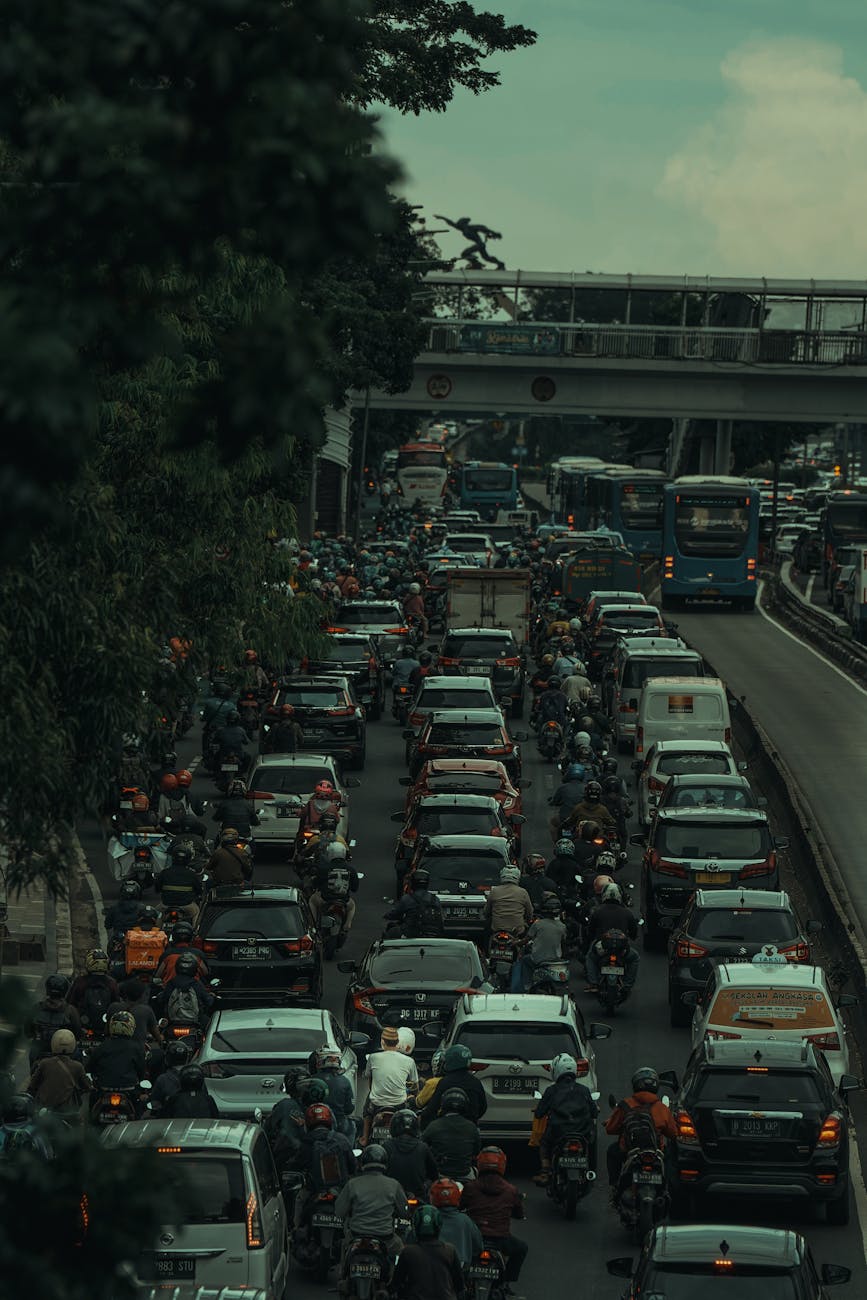
As air quality dips to hazardous levels, Delhi imposes a strict ban on non-city private vehicles below BS-VI standards from entering the city. This GRAP-IV measure aims to slash emissions fast, but it sparks chaos for NCR commuters
Delhi wakes up to tougher skies today. The Delhi BS-VI vehicle ban kicked in at midnight. It targets non-city private vehicles that fail BS-VI emission standards. This step forms part of the Graded Response Action Plan (GRAP) stage IV. Authorities hope it curbs the toxic haze choking the capital. Yet, for many in Gurgaon and Noida, it means sudden travel woes.
The ban hits hard on older cars from neighbouring states. Over two lakh vehicles in Gurgaon alone fall short of BS-VI norms. Diesel models from BS-III and BS-IV eras bear the brunt. Commuters scramble now. Some switch to the Metro. Others eye carpooling apps. However, exemptions ease the sting a bit. CNG and electric vehicles roll in freely. Public buses and essential service cars get a pass too.
Traffic police man 126 checkpoints across borders. They check stickers and documents strictly. Fuel pumps enforce the “No PUC, No Fuel” rule alongside. This duo aims to weed out polluters at source. Early reports show smoother enforcement than feared. Still, first-day glitches emerge. Long queues build at entry points.
Ripples Across the NCR Commute
Daily life shifts under the Delhi BS-VI vehicle ban. Office-goers from Ghaziabad rethink routes. Families delay weekend drives into town. The Metro has already seen a 20% ridership spike. Stations like Rajiv Chowk buzz with extra crowds. Taxis and cabs adapt quickly. Many operators flaunt BS-VI badges proudly.
Yet, not all cheer this clampdown. Traders worry about delayed goods. Construction firms halt material inflows. The ban bars such vehicles too under the GRAP rules. Small vendors feel the pinch most. They urge for more grace periods.
Experts weigh in positively. The Delhi BS-VI vehicle ban could cut PM2.5 levels by 15% short-term. Past GRAP phases proved this works. But success hinges on public buy-in. Awareness drives ramp up now. Billboards flash tips on cleaner travel. Apps track air indices in real time.
Also Read Automakers Push Back Against India’s Tougher Emission Norms:
Horizons of Greener Mobility
Looking ahead, the Delhi BS-VI vehicle ban signals bigger changes. It nudges owners towards upgrades. Scrappage incentives gain traction. Government schemes offer rebates for BS-VI swaps. Electric vehicle sales might surge 30% next quarter. Charging stations multiply along highways.
Long-term, this fosters sustainable habits. More folks opt for shared rides. Cycle tracks expand in suburbs. The ban tests Delhi’s resolve against pollution. If sustained, it sets a model for Mumbai and Bengaluru. Cleaner air promises fewer hospital visits. Children breathe easier. Workers stay productive.
Challenges linger, though. Equity issues arise for low-income drivers. Subsidised public transport must scale up. The Delhi BS-VI vehicle ban, thus, sparks a vital debate. It balances health gains with fair access. As winter fog lifts slowly, hope glimmers. Delhi pushes forward, one emission-free mile at a time.


